
You don’t go to Kenya just to see animals.
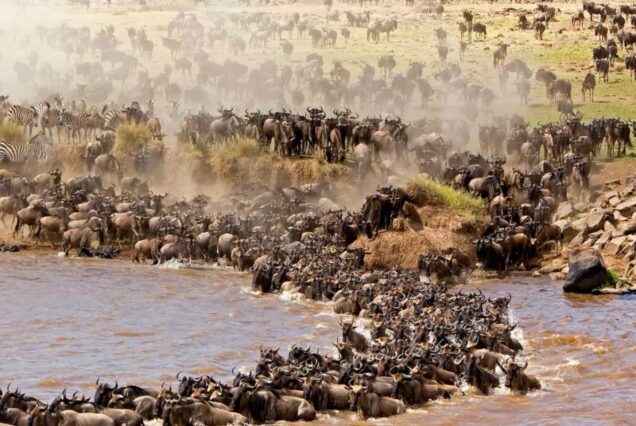
You go to understand what it feels like when a landscape moves—when thousands of wildebeest surge across a river in collective, desperate choreography. When a leopard materializes on a branch so close you can see the gold in its eyes. When dawn breaks over the Mara and the world feels impossibly, achingly alive.
Read More ↓
This journey is designed for travelers who know the difference between seeing wildlife and witnessing it. Between ticking boxes and standing perfectly still as a moment unfolds that will live in your memory forever.
Over seven unhurried days, you’ll move slowly through Kenya’s most profound ecosystems: the Masai Mara’s endless plains, the Conservancies’ quieter corners, perhaps Samburu’s unique northern species or Amboseli’s elephant families moving beneath Kilimanjaro.
But here’s what makes this different: You won’t rush. You’ll linger where most tourists pass through. You’ll learn from guides who know individual animals by sight. You’ll stay at lodges that invest in conservation, not just conversation about it. And you’ll have space—physical and psychological—to absorb what you’re experiencing.
Because the wild doesn’t perform on schedule. It reveals itself to those who wait, watch, and genuinely care.
This is safari as it should be: patient, purposeful, and profound.
Experience Highlights
Expert Eyes
Private game drives with guides who read the bush like literature—tracking, interpreting, revealing stories most visitors never see.
Conservation with Substance
Hand-selected lodges with genuine conservation programs you’ll witness, not just fund from afar.
Time to Breathe
Slow pacing that allows real encounters—following a pride for hours, returning to the same waterhole, building narrative over days.
Wild Architecture
Accommodation that serves the landscape, not ego—tents with canvas walls and magnificent views, lodges that vanish into hillsides.
The Gift of Flexibility
Enough structure to see what matters, enough space to follow unexpected moments wherever they lead.
Included/Excluded
- Luxury lodge or tented camp accommodation selected for location and conservation ethics
- All internal flights between safari regions
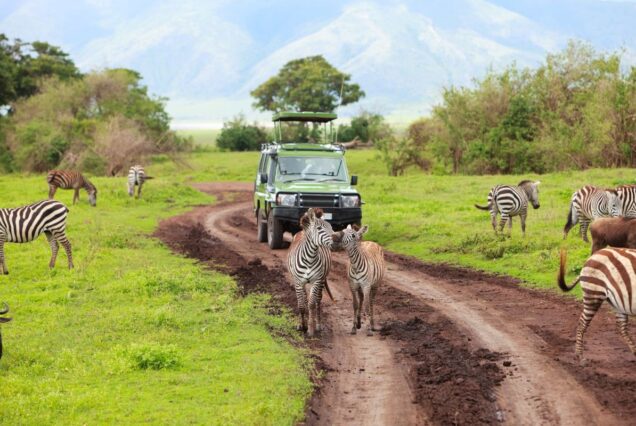
- Private vehicles and expert guides throughout
- All game drives, park fees, and conservancy fees
- Most meals (specified in detailed itinerary
- Pre-travel safari design consultation
- Emergency support throughout your journey
- International flights to and from Kenya
- International flights to/from Nairobi (Optional)
- Travel insurance (required)
- Coastal or regional extensions (Optional)
- Private photographic guiding for serious photographers (Optional)
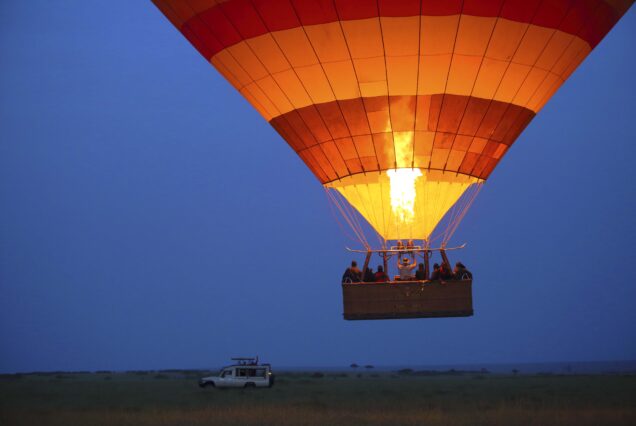
- Balloon safaris over the Mara (Optional)
- Special occasion arrangements (Optional)
Tour Plan
Nairobi welcomes you with its particular energy—capital city chaos and surprising pockets of green, all under that clear highland light.
Your private driver navigates the beautiful mess with ease. Your accommodation tonight—likely the Giraffe Manor for the experience, or Emakoko for those who prefer quieter elegance—offers a gentle crossing between worlds. You're not quite in the wild yet, but you can feel it approaching.
If you've arrived alert and curious, perhaps the Giraffe Centre or David Sheldrick Trust for orphaned elephants—both doing conservation work worth supporting. If you're jet-lagged and wise, perhaps just sundowners overlooking the Nairobi National Park, watching game move beneath the city skyline.
Tomorrow, the real journey begins. Tonight, you acclimatize.
The flight is short—forty minutes in a small aircraft, watching the land transform from agricultural patchwork to golden savanna. You touch down on a dirt airstrip. A Land Cruiser waits.
And just like that, you're in.
Your lodge for the next three nights sits in a private conservancy bordering the Masai Mara—think fewer vehicles, better sightings, intimate scale. Perhaps Cottars, with its 1920s safari elegance. Perhaps Ol Seki for contemporary luxury. Perhaps Mara Plains for utter remoteness.
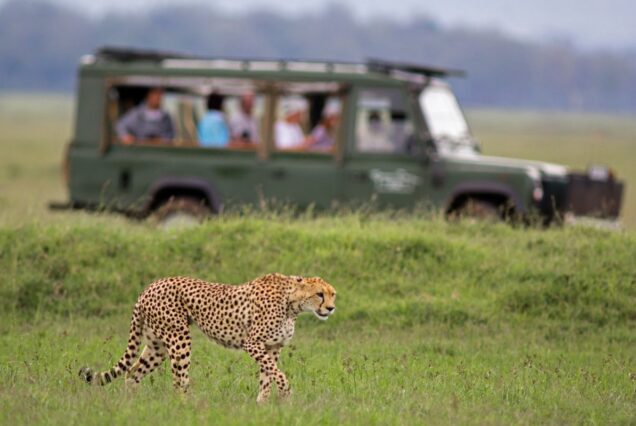
The pattern establishes itself quickly: wake before dawn, coffee in darkness, into the vehicle as first light breaks. Your guide is exceptional—a naturalist who's tracked these plains for decades, who knows which lion pride currently controls which territory, who can identify birds by silhouette alone.
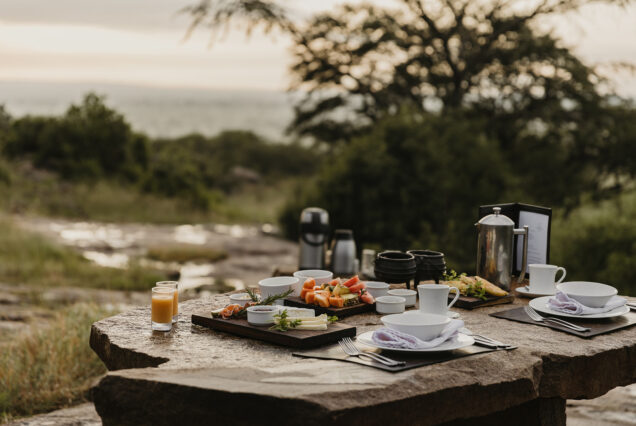
Morning drives stretch until brunch. Afternoons are yours—perhaps a second drive, perhaps the lodge pool, perhaps sleep. Evening drives catch the golden hour, when cats wake and prey animals grow nervous. Sundowners happen somewhere extraordinary: on a ridge overlooking endless plains, beside a waterhole, in the middle of absolutely nowhere.
Dinners are communal if you want company, private if you don't. Stories are shared. Tomorrow's plan is discussed. Then sleep, with canvas walls and wild sounds and the bone-deep satisfaction of a day spent exactly right.
By day four, you're reading the bush differently. You know your guide's name, their story, their kids' names. You've seen kills and births and territorial displays. You've sat in silence while elephants crossed ahead, so close you heard their stomachs rumble.
You're not a tourist anymore. You're a witness.
The temptation is to stay. The wisdom is to move.
A morning flight takes you north to Samburu—a landscape as different from the Mara as possible. Here, the terrain is arid, dramatic. The species are different: Grevy's zebras with their precise stripes, reticulated giraffes, gerenuk balancing on hind legs to reach high branches.
Or perhaps you fly south to Amboseli, where elephants move like gray ghosts through dust, Mount Kilimanjaro rising behind them in surreal magnificence.
The rhythm continues, but your understanding deepens. Same structure—dawn, dusk, rest, repeat—but now you're comparing, contrasting, building a more complete picture. You notice ecosystem differences. You ask better questions. Your photographs improve because you're anticipating moments rather than reacting to them.
Your guide here is equally skilled but differently focused. In Samburu, perhaps they're ex-researcher, passionate about wild dogs. In Amboseli, maybe they specialized in elephant behavior for their master's thesis. These aren't generic guides—they're specialists sharing their obsessions.
By day seven, you're exhausted in the best way. Sun-drunk. Full of silence and sightings. Your camera holds hundreds of images you'll treasure. Your memory holds a dozen moments no photograph could capture.
The small plane carries you back to Nairobi. You'll overnight somewhere comfortable but simple—perhaps Hemingways or the Emakoko again. There's time for a final city meal, perhaps at Talisman or Fogo Gaucho.
But mostly there's time to process. To begin the difficult work of translating what you've experienced into something you can carry home.
Safari changes you. Not melodramatically—you're not suddenly a different person. But subtly. You're more patient. More observant. More aware of how small you are and how vast the world remains.
Tomorrow you'll fly home. Tonight, you're still between worlds. It's a good place to be.
Some travelers add a coastal coda—three nights in Lamu or the Kenyan coast for beach time and cultural immersion.
Others extend the safari itself: Laikipia's ranches, Tsavo's vast elephants, Chyulu Hills' dramatic vistas. We can design extensions around what's captured your imagination.
Or perhaps you're ready to leave, carrying Kenya inside you like a secret. That works too.
No two safaris should feel identical.
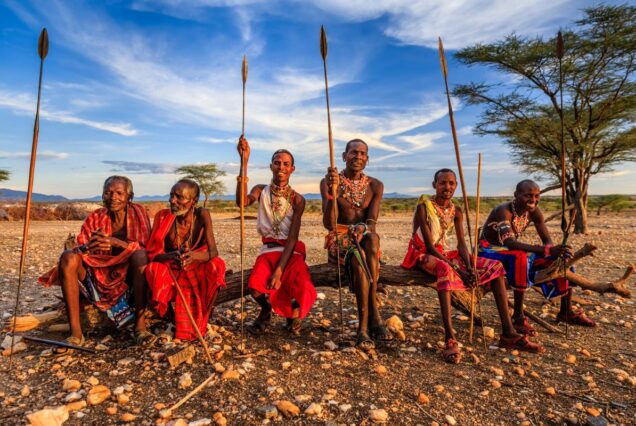
This journey is refined around your priorities: Are you photographers needing specialist guidance? Do you want cultural immersion with Masai communities? Is this a family safari requiring kid-friendly lodges? Are you birders or big cat enthusiasts?
Most critically: when are you traveling? Wildlife movements and weather patterns shift dramatically by season. We'll ensure your dates align with what you most want to experience.