
PATAGONIA – THE END OF THE WORLD

Duration
15 Days
Max People
50
Min Age
2+
Pickup
Airport
Patagonia occupies outsized space in travelers’ imaginations.
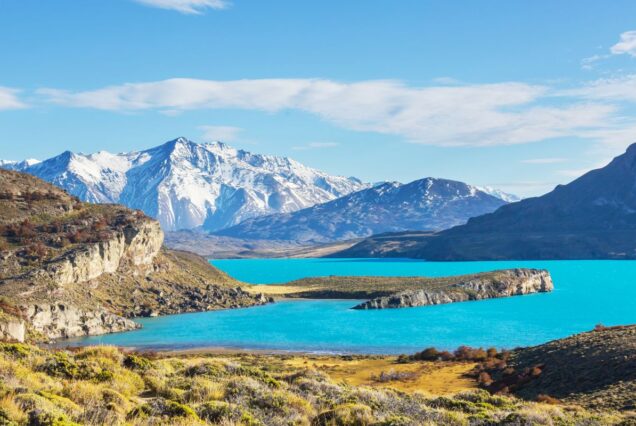
The name alone evokes extremity: the bottom of the world, where civilization thins to outposts, where nature operates at maximum volume. Glaciers calve ice chunks the size of buildings. Peaks like Torres del Paine and Fitz Roy pierce clouds with granite spires sharp enough to cut sky.
Read More ↓
Winds scream across plains. Condors wheel above valleys so vast they diminish human scale to nothing. This is frontier country still—gauchos herding sheep on endless estancias, tiny towns separated by hundreds of kilometers of gravel roads, landscapes that look like Earth showing off.
This journey explores Argentine and Chilean Patagonia’s greatest hits: glacier trekking on Perito Moreno, multi-day hiking in Torres del Paine, ice field boat trips, gaucho ranch stays, wildlife encounters (penguins, guanacos, maybe pumas if lucky), and the peculiar frontier culture that persists at the continent’s edge.
It requires moderate-to-good fitness (activities can be adjusted), demands flexibility (weather changes hourly), and guarantees perspectives that recalibrate what “wilderness” means. Over 10–14 days, Patagonia will make everywhere else feel small.
Experience Highlights
Perito Moreno Glacier
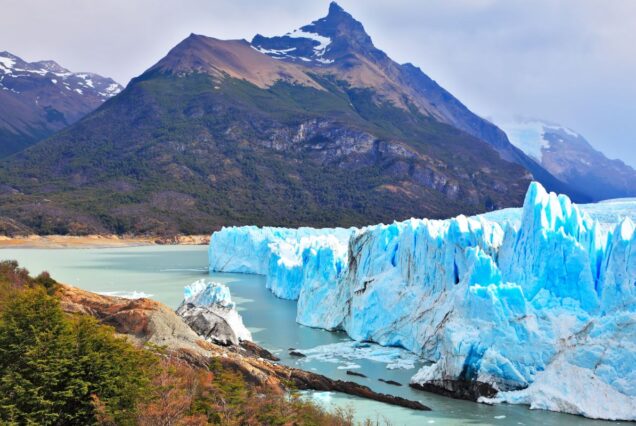
Walking on 30,000-year-old ice, witnessing house-sized chunks calve into turquoise lake with thunderous reports.
Torres del Paine
Multi-day hiking among granite towers, turquoise lakes, hanging glaciers, guanacos grazing, condors soaring.
Los Glaciares
Ice trekking, boat navigation through iceberg fields, witnessing Southern Patagonian Ice Field’s scale.
Estancia Stays
Traditional ranches, gaucho culture, horseback riding, lamb barbecues, vast solitude.
Wildlife Encounters
Magellanic penguins, southern elephant seals, Andean condors, guanacos, possibly pumas.
End-of-World Atmosphere
Ushuaia, Beagle Channel, frontier feeling, southernmost points, sense of reaching the continent’s edge.
Included/Excluded
- Accommodation (mix of lodges, hotels, estancias)
- Domestic flights (Buenos Aires-El Calafate, Punta Arenas-Buenos Aires or Ushuaia variations)
- All ground transportation including border crossings
- Park entrance fees
- Full-day guided excursions in Torres del Paine
- Perito Moreno ice trekking
- Most meals (all at remote lodges, breakfasts in cities, some lunches/dinners)
- Expert guides throughout
- Pre-travel consultation covering fitness assessment, packing list, season selection
- International flights to/from South America (Optional)
- Buenos Aires accommodation if extending stay (Optional)
- Meals not included (cities have excellent restaurants—flexibility is bonus) (Optional)
- Optional excursions: Upsala glacier, Fitz Roy day trip, puma tracking, additional ice trekking (Optional)
- Gear rental (Optional)
- Travel insurance including evacuation coverage (Optional)
- Tips for guides (Optional)
Tour Plan
Most Patagonia trips transit Buenos Aires. If scheduling allows, overnight here—it's worth knowing before heading to wilderness.
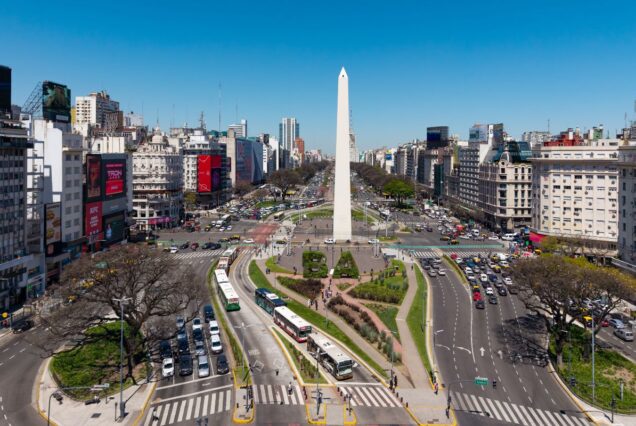
Day 1: Arrive Buenos Aires. Your hotel in Palermo or Recoleta. Evening walk, dinner at parrilla (steakhouse—Argentina does beef well), wine (Argentina does this well too), tango show if you're into it (kitsch but the dancing is real).
Day 2: Half-day Buenos Aires tour if morning flight allows: Recoleta Cemetery (Evita's tomb), San Telmo antiques, La Boca's colored houses. Then flight to El Calafate (3.5 hours), gateway to Argentine glaciers.
Or skip Buenos Aires entirely, flying direct to Patagonia if connections work.
El Calafate is surprisingly pleasant—lakefront town, decent restaurants, tourist infrastructure without feeling overrun.
Your accommodation: Perhaps Eolo Patagonia Spirit for estancia luxury outside town, or Los Cauquenes for lakefront elegance, or boutique hotel in town itself for walkability.
Arrive, settle, orient. Perhaps walk the lakeshore. Dinner in town (Casimiro Biguá for local ingredients, or La Tablita for massive portions). Tomorrow brings the main event.
Full day at Perito Moreno—the world's most accessible advancing glacier. Most glaciers are retreating (climate change); Perito Moreno still advances, creating dramatic calving events.
Morning: Drive to Los Glaciares National Park (80km, 1.5 hours). The approach builds anticipation—glimpses through trees, then full reveal.
The glacier face stretches 5km wide, 70m high. You'll walk the viewpoint platforms (different angles, perspectives, photo opportunities), hearing cracks and groans, watching ice chunks calve and splash.
Afternoon: Ice trekking on the glacier itself. After boat ride across lake, you're fitted with crampons, hiking onto blue ice, crevasses, seracs. This is why you came—standing on moving ice thousands of years old, surrounded by impossible blue.
Return to El Calafate evening.
Options include:
Most choose either Upsala or Fitz Roy, saving energy for Torres del Paine next.
Transfer from El Calafate to Torres del Paine (5-6 hours including Argentina-Chile border). The route itself is spectacular—crossing from Argentine steppe into Chilean Patagonia's greener valleys.
Arrive at your lodge: Perhaps Explora Patagonia for luxury all-inclusive, or Awasi Patagonia for intimate personalized service, or EcoCamp for sustainable dome glamping, or Hotel las Torres for access to park's east side.
Settle in. Orientation about next days' options. Early dinner, early sleep.
These days follow similar rhythm: full-day excursions with expert guides, hiking 5-8 hours (varies by route and your capability), different sections of the park each day.
Possible highlights:
Your lodge determines available options—some have fixed programs, others customize daily based on your interests and weather.
Evenings: Lodge social time, stargazing (Southern Hemisphere stars including Magellanic Clouds), wine by fire, exhausted satisfaction of days well-used.
Either final morning activity and lunchtime departure, or full last day depending on your schedule.
Transfer to Punta Arenas (5 hours), Chile's southern city, for onward flight.
Instead of flying directly from Punta Arenas, route via Ushuaia, Argentina—the world's southernmost city.
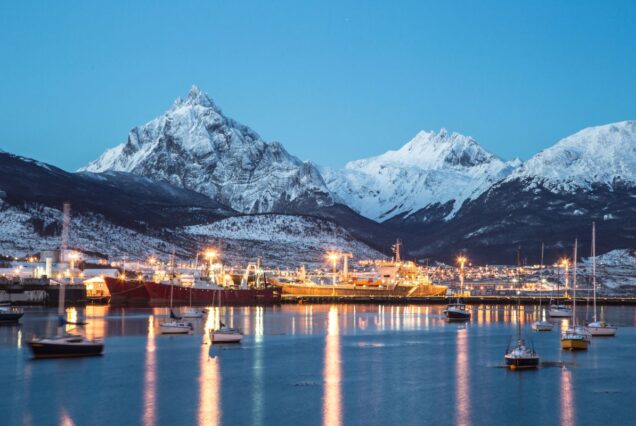
Ushuaia sits on Beagle Channel, mountains rising behind, feeling genuinely end-of-world.
Day 10: Flight Punta Arenas to Ushuaia (crossing Magellan Strait, views of Tierra del Fuego). Your hotel: Perhaps Arakur Resort for views, or Los Cauquenes in town, or Las Hayas.
Afternoon: Beagle Channel boat tour—penguin colonies, sea lion rookeries, Les Eclaireurs lighthouse, Cape Horn in distance (if weather allows).
Day 11: Choose between:
Evening flight back to Buenos Aires, connecting to international departure.
Instead of Ushuaia, extend deeper into Chilean Patagonia:
We can adjust intensity—Patagonia works for moderate fitness but rewards the more capable.
Patagonia's weather is legendarily unpredictable. Four seasons in one day is accurate. Wind is constant (gusts to 100+ km/h not uncommon). Rain arrives without warning. But that volatility creates the dramatic conditions making Patagonia stunning—clouds parting on granite spires, sunbeams through storm clouds, rainbows against ice.
Come prepared: layers, windproof jacket, rain gear, warm base layers, sunglasses (wind), sunscreen (ozone hole), mental flexibility when weather forces plan changes.
This isn't casual vacation packing—Patagonia demands proper gear:
Train before arriving—Patagonia isn't place to get in shape. Practice hiking with loaded daypack, build endurance for 6-8 hour days, strengthen knees for descents.
Patagonia rewards those who accept: weather will change plans, distances are vast (logistics take time), infrastructure is limited (embrace simplicity), nature doesn't perform on schedule.
The travelers who love Patagonia most are those who treat plans as frameworks, not contracts.