
SOUTH AFRICA – WINELANDS TO WILD
Duration
14 Days
Max People
50
Min Age
2+
Pickup
Airport
South Africa does something few countries manage: it delivers world-class experiences across wildly different categories without ever feeling disjointed.
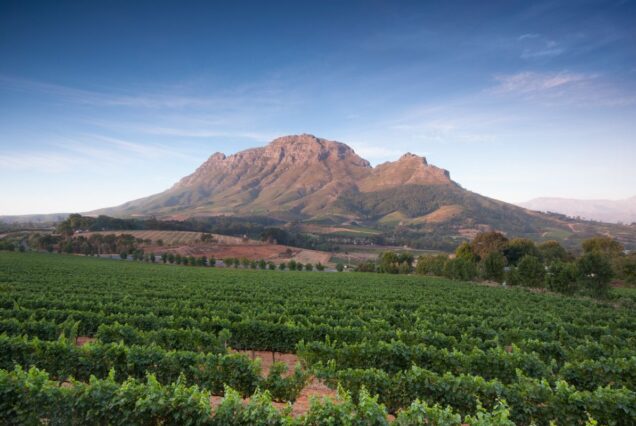
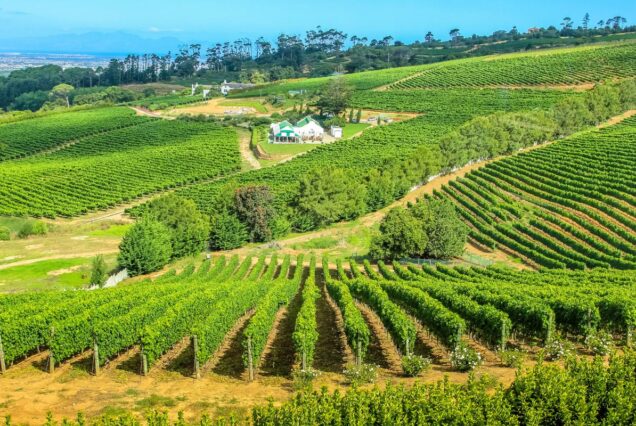
You can sip Stellenbosch Cabernet under oak trees planted by Dutch settlers three centuries ago, then track leopards through acacia thickets the next morning.
Read More ↓
You can explore apartheid’s brutal history in Johannesburg, then watch the sun set over Cape Point where two oceans collide. You can dine at restaurants competing with Europe’s finest, then sleep in a treehouse overlooking a waterhole where elephants drink under starlight.
This journey weaves South Africa’s extraordinary diversity into a coherent narrative: Cape Town’s cosmopolitan energy, the Winelands’ agricultural heritage, the Garden Route’s dramatic coastline, and a private game reserve where safari rivals East Africa but feels utterly different.
The result is a trip that satisfies multiple appetites—for nature, culture, history, food, wine, and wildlife. Perfect for travelers who refuse to choose between experiences, or families where different generations want different things.
Over 10–14 days, you’ll understand why South Africa captivates: not because it excels in one dimension, but because it excels in nearly everything.
Journey Flow
- Helicopter transfer into the Winelands for aerial perspective.
- Shark cage diving in Gansbaai (seasonal, weather dependent).
- Full-day Cape Town immersion: Kirstenbosch Gardens, Constantia wine valley, Bo-Kaap, Hout Bay, and neighborhood exploration.
- Contemporary art discovery: Zeitz MOCAA, galleries, studio visits.
- Intentional rest: spa mornings, pool afternoons, slow dining.
- Hands-on wine experiences: harvest participation, blending workshops, cellar tours.
- Historical immersion: Boschendal or Vergelegen estates, Cape Dutch architecture.
- Active exploration: vineyard cycling, coastal hikes, forest trails.
- Garden Route options: Knysna lagoon kayaking, Plettenberg Bay beaches, forest walks, artisan producers.
- Flexible routing: Hermanus whale watching, scenic coastal drives, or short flight to safari.
Private Safari Options
Sabi Sands (Kruger adjacency)
Legendary leopard sightings. Singita or Londolozi luxury. Ultra-high-density game viewing.
Madikwe (Malaria-Free)
Less tourist traffic. Excellent Big Five density. Perfect for families and malaria-sensitive travelers.
Phinda (KwaZulu-Natal)
Seven ecosystems, cheetah specialists, proximity to coast, dramatic biodiversity contrast.
Tswalu (Kalahari Desert)
South Africa’s largest private reserve. Desert ecosystem. Radical landscapes. Rare species.
Extensions & Alternatives
- Johannesburg & Soweto: Constitutional Hill, Apartheid Museum, Vilakazi Street, urban culture.
- Drakensberg Mountains: Hiking, San rock art, mountain scenery.
- KwaZulu-Natal Battlefields: Rorke’s Drift, Isandlwana, Blood River.
- Eastern Cape: Addo Elephant Park, Port Elizabeth beaches, Grahamstown architecture.
Planning Notes
Summer (Nov–Feb): Hot. Cape Town brilliant. Winelands harvest. Safari challenging.
Autumn (Mar–May): Ideal balance. Excellent weather, great safari viewing.
Winter (Jun–Aug): Best safari season. Whale arrival. Cooler Cape Town.
Spring (Sep–Oct): Wildflower season. Excellent all-round conditions.
Wine harvest: February–March.
Whales: June–November (Hermanus prime).
Malaria: Kruger region requires prophylaxis; malaria-free reserves available.
Experience Highlights
Cape Town Immersion
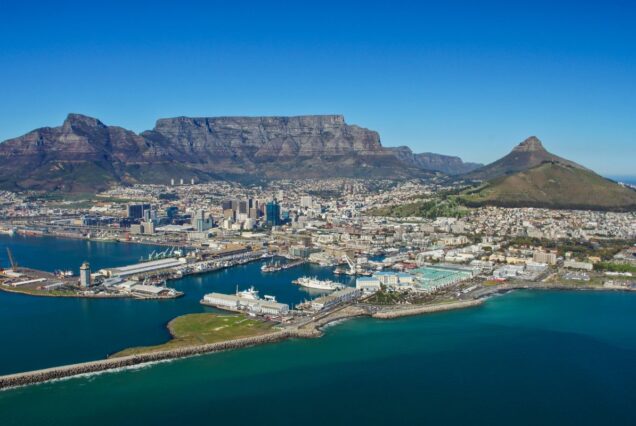
Table Mountain, Robben Island, Bo-Kaap, V&A Waterfront, Chapman’s Peak.
Winelands Exploration
Stellenbosch, Franschhoek, Paarl. Tastings, architecture, harvest dining.
Garden Route Coast
Knysna lagoon, Plettenberg Bay, forest trails, whale watching.
Private Safari
Luxury lodges, Big Five game drives, bush walks, stargazing.
Culinary Excellence
Cape Town dining, estate lunches, braai culture, seafood, Cape Malay cuisine.
Included/Excluded
- Luxury accommodation throughout (boutique hotels, wine estates, safari lodges)
- Private transfers and domestic flights where specified
- Private guides for Cape Town touring and Winelands exploration
- All game drives, park fees, and conservancy fees at safari destination
- Most meals (all meals at safari lodge, breakfasts elsewhere, some lunches/dinners)
- Wine tastings and selected estate experiences
- Pre-travel consultation covering routing, timing, preferences
- International flights to/from South Africa (Optional)
- Meals not specified as included (Optional)
- Premium wine purchases beyond tastings (Optional)
- Optional experiences: shark cage diving, helicopter flights, hot air ballooning, additional wine tours (Optional)
- Extra nights in Kigali before or after (Optional)
- Spa treatments (Optional)
- Travel insurance
- Gratuities for guides, rangers, lodge staff
Tour Plan
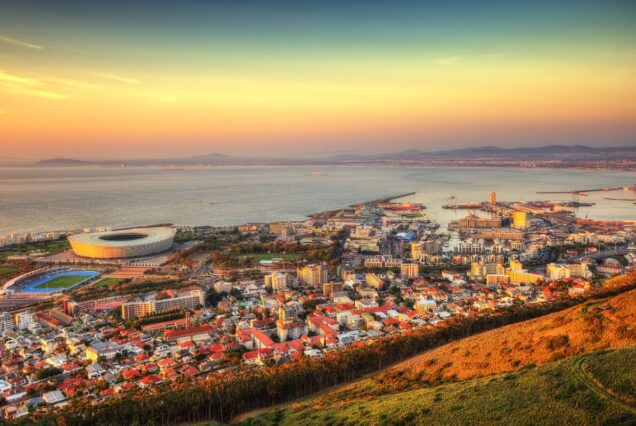
You arrive in Cape Town—and immediately understand why locals call it the most beautiful city on Earth. Table Mountain looms impossibly above the city bowl. The Atlantic sparkles. The air smells of ocean and fynbos.
Your hotel positions you perfectly: perhaps Ellerman House for art-filled elegance overlooking the sea, or The Silo for contemporary drama in a repurposed grain elevator, or Babylonstoren for farm-to-table living in nearby Winelands if you're starting there.
This first afternoon is gentle—perhaps just Table Mountain if the cable car's running and clouds aren't covering the summit (locals call it "the tablecloth"). Otherwise, Camps Bay for sunset drinks, watching the Twelve Apostles glow copper in evening light.
Morning: Robben Island. The boat crosses Table Bay to the island where Mandela spent 18 of his 27 prison years. Former political prisoners lead tours. It's heavy, essential, profound—understanding modern South Africa requires confronting apartheid's reality.
Afternoon: District Six Museum and Bo-Kaap. The forced removals. The colorful houses. The Cape Malay heritage. Your guide—ideally someone whose family lived through these histories—translates the personal impact behind historical facts.
Evening: Dinner in the city center or Woodstock's emerging dining scene. Perhaps The Test Kitchen (if you've booked months ahead), or La Colombe for fine dining, or somewhere more casual that locals actually frequent.
Full-day private tour around Cape Peninsula. Chapman's Peak Drive (one of the world's most scenic coastal roads). Cape Point and Cape of Good Hope (where Indian and Atlantic Oceans meet—technically not true, but the drama's real). Boulder's Beach for African penguin colonies waddling absurdly close.
Stop in Simon's Town, Kalk Bay for lunch (harbour fish and chips or upscale seafood), Muizenberg's beach huts. The route allows flexibility—if something captivates you, linger. If weather turns (Cape storms are spectacular), adjust.
Back by late afternoon. Evening free—perhaps Camps Bay for sundowners, or Observatory's eclectic nightlife if you're that type.
Options include:
This is the day the itinerary breathes based on your energy and interests.
Morning transfer to the Winelands (45-90 minutes depending on which region). Your accommodation for three nights is one of the wine estates themselves: perhaps Delaire Graff for contemporary luxury and art collection, or Babylonstoren for working farm immersion, or La Residence in Franschhoek for French-inspired elegance.
Settle in. Lunch at the estate. Afternoon orientation—perhaps a gentle bike ride through vineyards, or estate wine tasting, or simply terrace time watching mountains change color.
Dinner at the estate's restaurant. South Africa's culinary renaissance hit the Winelands hardest—you're eating as well here as anywhere globally.
Private guide and driver for wine touring. This isn't a bus crawl—it's curated experiences based on your preferences (reds or whites? Historic estates or contemporary architecture? Big names or hidden gems?).
Morning: Three estates maximum. Private tastings, often with winemakers themselves. Conversation about terroir, technique, South African wine's identity crisis (copying Bordeaux? Finding its own voice?).
Lunch: Legendary. Perhaps La Petite Ferme overlooking Franschhoek Valley, or Fyndraai at Solms-Delta for food rooted in Cape's diverse heritage, or Tokara for views and wine pairing perfection.
Afternoon: Two more estates, or perhaps Franschhoek's village for galleries and chocolate shops, or just return to your estate for spa and pool.
Evening: Either estate dinner or venture to one of the region's destination restaurants. Your guide will have reserved wherever you choose.
Morning options:
Afternoon: Spa time, poolside reading, estate exploration at your own pace.
Final Winelands evening. Perhaps a sunset wine tasting on your estate's terrace, followed by their best table, best bottle, best menu. Tomorrow you leave for the coast.
This is a travel day, but South Africa makes travel days beautiful.
The Garden Route runs 300km from Mossel Bay to Storms River, threading between mountains and ocean. You're driving (with private driver) or taking scenic flights between stops.
First destination: Knysna (4-5 hours from Winelands, longer with stops). The lagoon town, famous for oysters and "The Heads"—dramatic cliff formations guarding the lagoon entrance.
Your accommodation: Perhaps The Conrad, or Pezula for clifftop luxury, or boutique guesthouse in the town itself.
Arrive mid-afternoon. Settle. Walk the waterfront. Dinner at East Head Cafe or 34 South for oysters and linefish while watching boats drift past.
Morning: Tsitsikamma National Park (1 hour drive). Ancient forests, suspension bridges over ravines, Storms River mouth where forest meets ocean dramatically. Hike the waterfall trail. Breathe impossibly clean air. Option for blackwater tubing if you're adventurous.
Or alternatively: Plettenberg Bay for beaches, Robberg Nature Reserve coastal hike, maybe whale watching if winter (July-November), definitely marine life watching any season.
Afternoon: Return to Knysga. Perhaps Featherbed Nature Reserve cruise across the lagoon, or simply beach time, or exploring the town's galleries and cafes.
Evening: Oyster tasting and dinner somewhere with lagoon views.
This day flexes based on your schedule:
Transfer to your private game reserve. Several options, all within 3-4 hours from Cape Town or Garden Route:
Arrive by lunch. Settle into your lodge—suites with private plunge pools, outdoor showers, decks overlooking waterholes.
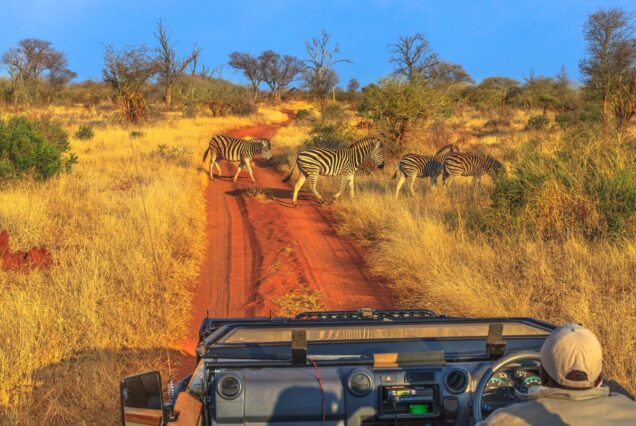
First game drive departs at 3:30pm. This is different from East Africa: denser bush, closer encounters, more tracking than spotting from distance. Your ranger and tracker work as team—reading spoor, following alarm calls, positioning for sightings.
Sundowners happen somewhere spectacular: on a kopje overlooking the bushveld, beside a dam where hippos grunt, in the middle of nowhere with just the horizon.
Night drive follows—spotlight revealing nocturnal life East Africa rarely shows. Back to lodge around 8pm for dinner under stars.
The pattern establishes: wake at 5am for coffee, into vehicles at 5:30, drive until 9:30-10am. Brunch. Siesta (seriously—midday heat makes animals inactive and humans sleepy). Afternoon tea at 3pm. Drive until dark. Dinner. Sleep to lion calls and hyena whoops.
But here's what makes these days special: the narrative that builds. Day one, you're excited by anything—zebras! Giraffes! An elephant in the distance!
Day two, you're more discerning—you want closer encounters, interesting behavior, photographic moments.
Day three, you're tracking specific animals with your guide. That leopard you spotted yesterday? He has a territory. Let's find him again. Those lions with cubs? Let's check if they've made a kill. You're building stories, not just accumulating sightings.
Between drives: spa treatments in your suite, pool time, library lounging, wildlife documentaries suddenly more interesting now that you've seen the actual animals, conversations with guides about conservation challenges.
Some reserves offer optional bush walks—on foot with armed ranger, learning tracking, understanding smaller ecosystems, feeling vulnerable and alive in ways vehicles never provide.
Final morning drive. Always bittersweet—you're never ready to leave, yet you're also exhausted in the best way.
Brunch at the lodge. Pack. Transfer to nearest airport (often private airstrip) for flight back to Johannesburg or Cape Town for international connections.
Or, if time and budget allow, overnight in Johannesburg for Apartheid Museum and Soweto tour—understanding where South Africa came from makes where it's going more meaningful.