
BOTSWANA – OKAVANGO & BEYOND
Duration
14 Days
Max People
50
Min Age
2+
Pickup
Airport
Botswana doesn’t compete on volume. It competes on quality.
Where others invite crowds, Botswana limits access—flying guests into grass airstrips on six-seater planes, preserving wilderness intimacy.
Read More ↓
The result: safari at its most pristine. The Okavango Delta—a river flowing inland, creating the world’s largest inland delta—offers water-based game viewing unlike anywhere else. Chobe National Park holds Africa’s highest elephant density. Moremi Game Reserve delivers legendary predator encounters. The Kalahari’s horizons stretch to infinity.
This journey is for travelers who’ve done safari before and want more: more exclusivity, more ecological integrity, more profound wilderness. Or for first-timers who’d rather experience fewer parks done superlatively than many parks done adequately.
Over 7–10 days, you’ll understand why safari purists worship Botswana—not because it has more animals, but because it has more wilderness.
Journey Flow
- Mokoro days: Gliding through delta channels, island walks, picnic lunches on sandy banks.
- Game drives: Elephant, buffalo, lion, leopard, wild dog tracking on larger islands.
- Walking safaris: Armed-guided tracking, understanding ecosystems from ground level.
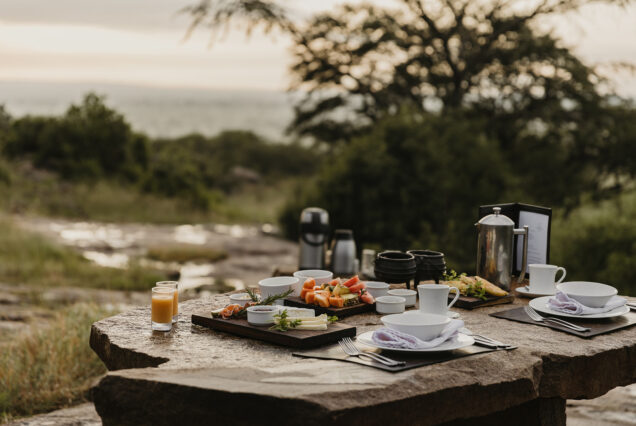
- Bush dining: White-tablecloth meals in the wilderness, gourmet cuisine, wildlife nearby.
Sample Flow:
Days 1–3: Okavango Delta (water-based camp)
Days 4–5: Chobe River (elephant focus)
Days 6–7: Moremi Game Reserve (predator focus)
Day 8: Savuti Channel (marsh lions)
Days 9–10: Makgadikgadi Pans (vast salt desert ecosystem)
What Makes Botswana Different
- Low-density philosophy: Government-controlled bed limits keep camps intimate.
- No fences: Wildlife moves freely across vast landscapes.
- Exceptional standards: Luxury camps rival the world’s best.
- Water-based safari: Mokoro and boat safaris offer perspectives impossible elsewhere.
- Elite guiding: Deep ecological knowledge, not just driving skills.
- No crowds: Even in peak season, wilderness dominates.
Experience Highlights
Okavango by Mokoro
Canoe safaris through reed channels, elephant encounters, tranquil immersion.
Chobe River Cruising
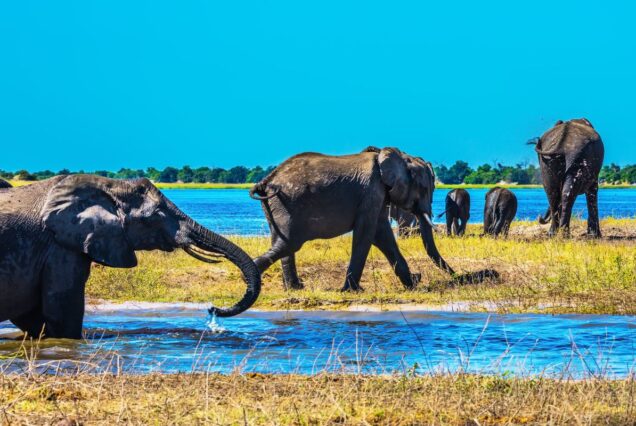
Hundreds of elephants crossing, hippos, crocodiles, golden sundowners.
Walking Safaris
Tracking wildlife on foot, raw connection, deep ecological learning.
Photographic Paradise
Extraordinary light, reflections, landscapes, and wildlife intimacy.
Ultra-Exclusive Camps
Maximum 16 guests. Often fewer. Sometimes just your group.
Planning Notes
Dry Season (May–October): Peak safari. Best game viewing. Okavango floods arrive mid-year. Book 12+ months ahead.
Green Season (Nov–April): Lush landscapes, birdlife explosion, dramatic skies, predator cubs, fewer crowds, lower rates.
Best months: June–August (cool, prime viewing), September–October (hot, intense wildlife), December–March (green, dramatic photography).
Malaria: All safari zones are malaria areas. Prophylaxis strongly recommended.
Fitness: Moderate fitness sufficient. Walking safaris involve 5–10km uneven terrain.
Connectivity: Limited WiFi and mobile signal — deliberate digital detox.
Budget Reality: USD 800–1,500+ per person per night. Reflects exclusivity, conservation, remoteness, and service quality.
Included/Excluded
- Luxury tented camps and lodges throughout
- All light aircraft flights between camps (exciting part of experience, not just logistics)
- All meals, premium beverages, laundry (camps are fully inclusive)
- All game drives, mokoro excursions, boat cruises, walking safaris
- Park fees and conservation levies
- Expert guides at each camp
- Flying Doctors evacuation insurance
- Pre-travel safari design consultation
- International flights to/from Botswana (Optional)
- Accommodation in Maun if overnighting before/after (Optional)
- Additional activities at some camps (Optional)
- Tips for guides and camp staff (Optional)
- Travel insurance beyond medical evacuation (Optional)
Tour Plan
You fly into Maun (northern Botswana hub), then immediately transfer to small aircraft for your camp. The flight itself is an experience—low altitude over Okavango's channels and islands, spotting game from air, landing on dirt strips where your camp's vehicle waits.
Your camp for three nights is in the Delta proper: perhaps &Beyond Xaranna for dramatic design, or Mombo Camp for legendary predator concentrations, or Jao for water and land combination, or Vumbura Plains for contemporary luxury.
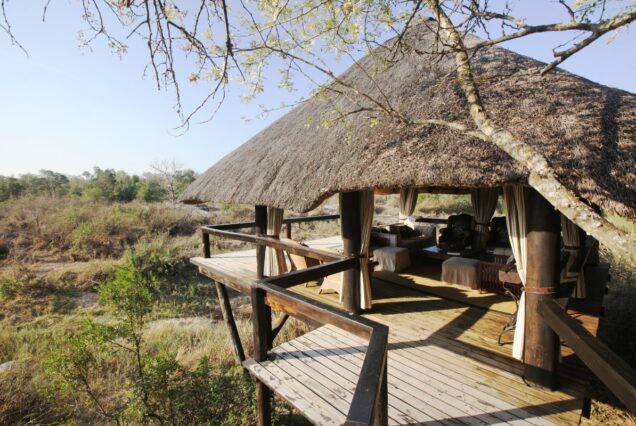
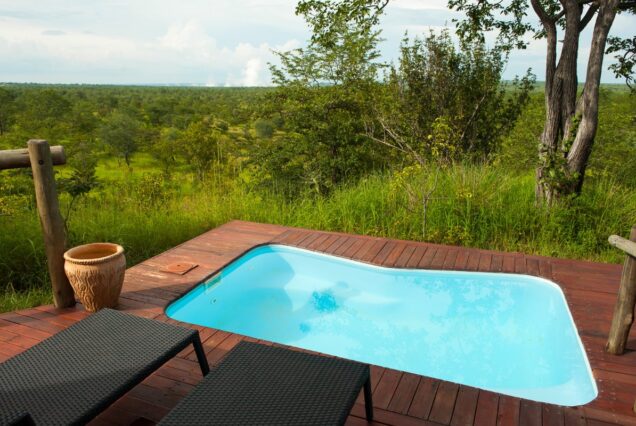
Arrive by lunch. Settle into your tent—and "tent" is underselling it: canvas walls, yes, but proper beds, indoor/outdoor showers, private deck overlooking channels where hippos transit.
Afternoon activity: Mokoro excursion. These traditional dugout canoes (now fiberglass replicas for conservation) offer utterly different safari experience. Your poler stands at the stern, propelling you silently through channels. Lily pads part. Reed beds shelter sitatunga antelope. Elephants appear impossibly close—no engine noise means wildlife is less disturbed.
Evening: Sunset game drive on the island where your camp sits. Dinner under stars, perhaps bush dining setup, probably candlelit in camp's main area. Sleep to hippo grunts and lions calling across water.
The rhythm establishes: early wake (5am), coffee and rusks, into vehicles or mokoros depending on day's plan. The Okavango allows activities impossible elsewhere:
The beauty of three nights is accumulation. Day one, you're excited by everything. Day two, you're strategizing with guides—following up on yesterday's leopard sighting, returning to that island where lions were heard. Day three, you're connected to this particular landscape in ways two-night stays never allow.
Photographers especially benefit—same locations at different times of day, building portfolio, getting that perfect shot they missed previously.
Morning mokoro or short game drive, then transfer back to Maun via light aircraft (30-45 minutes). Another small plane takes you north to Kasane (Chobe's gateway—1 hour flight).
Your camp for two nights sits on the Chobe riverfront: perhaps Chobe Game Lodge for comfortable accessibility, or Chobe Savannah Lodge for elevated views, or Sanctuary Chobe Chilwero for hilltop luxury overlooking the floodplains.
Arrive by lunch. Rest. Then afternoon boat cruise on Chobe River—the signature experience here.
The Chobe riverfront during dry season (May-October) hosts one of Africa's greatest wildlife concentrations. Elephants by the hundreds coming to drink. Hippo pods. Massive crocodiles. Buffalo herds. And predators waiting for opportunities—lions, leopards, even wild dogs occasionally.
From the boat, you're at animal eye level. Elephants wade in, spraying themselves. Hippos yawn impressive teeth displays. Kingfishers dive. Sunset happens with gin and tonic in hand, hippos grunting, elephants trumpeting, Africa in maximum expression.
Morning: Game drive in Chobe National Park. Different ecosystem than Okavango—drier, more open, different species emphasis. Focus on predators and larger herds.
Afternoon: Either second boat cruise (different section of river, different time of day yields different sightings) or land-based activity, or simply lodge relaxation.
Chobe's appeal is combination: water and land viewing in one location, incredible density without wilderness compromise, accessibility for those wanting luxury without extreme remoteness.
Add 2-3 nights in Moremi, the Okavango's drier eastern side. Different camp (perhaps Camp Moremi or Khwai), different ecosystem (more open, better for predator viewing), completing your Delta understanding.
Add 2 nights in Savuti for dramatically different landscape: ancient dried lake, flat vistas, legendary lion prides (the "marsh lions"), elephant, zebra migrations (seasonal), stark beauty.
Add 2-3 nights in the Pans—vast salt flats, otherworldly landscapes, meerkat interactions, flamingo flocks (seasonal), sleeping on the pans under infinite stars, zebra and wildebeest migration (November-March).
After Chobe, return to Maun, then flight out (likely via Johannesburg to international destinations).
Sample 10-Day Itinerary with Extensions
This gives you Botswana's ecosystem diversity without feeling rushed.
But if budget allows, Botswana delivers safari experience without compromise.
Long driving day (7-8 hours) but scenery shifts continuously: from desert edge through Middle Atlas mountains (cedar forests, Berber monkeys if lucky) to Fes.
Arrive late afternoon. Your riad in Fes medina—perhaps Karawan Riad for rooftop views, or Palais Amani for restored palace grandeur, or Riad Fes for contemporary interpretation.
Settle in. Dinner at the riad—Fes dining scene exists but medina navigation at night is challenging for newcomers.
Fes el-Bali (old medina) is UNESCO-listed, 9,400 labyrinthine streets, world's largest car-free urban area, and completely overwhelming without guidance.
Your guide is essential here—someone who knows which dead-ends lead to hidden fondouks (caravanserais), which shops are family-run versus tourist traps, and how to navigate tanneries without getting lost or sold something you don't want.
Morning: Bou Inania Madrasa (theological college, stunning tilework), Nejjarine Fountain and Museum, Al Qarawiyyin University (world's oldest continuously operating, established 859 AD—exterior only unless you're Muslim).
Then: the tanneries. Yes, they're touristy. Yes, tours inevitably end in leather shop. But they're also genuinely medieval—men standing in dye vats using techniques unchanged for centuries. The smell is... memorable. Accept the mint sprig they offer for your nose.
Lunch: In medina somewhere your guide knows, or back to riad for respite.
Afternoon: Artisan workshops—pottery painting, zellige tile-making, weaving, metalwork. Fes is Morocco's craft capital; these aren't tourist shows but actual production.
Evening: Perhaps Café Clock for fusion Moroccan dining and cultural programming, or Restaurant Dar Roumana for refined tagines, or riad again because honestly, after full Fes day, you might want quiet.
Train from Fes to Marrakech (7 hours but comfortable first class) or private driver (similar time, more flexibility for stops—perhaps Beni Mellal or Azilal).
Final night or two in Marrakech—now familiar, less overwhelming, able to navigate with confidence. Last tagine. Final souvenirs. Hammam if you didn't already. Rooftop sundowners. Departure next day.
Instead of Marrakech direct, route via Atlantic coast to Essaouira (2.5 hours from Marrakech). The windswept fishing port with Portuguese fortifications, excellent seafood, chilled atmosphere, Jim Hendrix connection, kite-surfers, thuya wood crafts.
Stay at riad overlooking harbor, or L'Heure Bleue for boutique luxury, or Madada Mogador for contemporary simplicity.
Two nights minimum to appreciate the slower pace after medina intensity. Beach time, seafood lunch at port stalls, rampart walks, art galleries, doing not much at all.
Then Marrakech for final night before departure.
Morocco is Muslim and relatively conservative. Women should dress modestly (cover shoulders/knees in cities, especially old medinas). Men likewise avoid shorts/tank tops except at beach/pool.
Haggling is expected in souks—offer 50% of asking price, settle around 60-70%. Never feel obligated to buy. "La, shukran" (no, thank you) works.
Tipping is expected: 10-20 dirhams for small services, 5-10% for meals, more for guides and drivers (your curator will provide detailed guidance).