
JAPAN – BEYOND THE GOLDEN ROUTE
Duration
15 Days
Max People
50
Min Age
2+
Pickup
Airport
Japan’s depth reveals itself beyond those circuits — in mountain onsen towns where snow monkeys bathe in hot springs, on sacred pilgrimage paths through ancient forests, in coastal fishing villages where life follows the tide.
This journey is designed for travelers who’ve already done the classics (or who deliberately want to skip crowds). It explores Japan’s lesser-known regions with the same attention to detail that defines Tokyo and Kyoto — ryokan hospitality, seasonal kaiseki dining, temple architecture, and cultural encounters that feel natural rather than staged.
The routing adapts to season: cherry blossoms guide spring, autumn foliage shapes fall, snow country defines winter, and alpine regions dominate summer. But the philosophy remains constant: to understand contemporary Japan, you must go beyond its cities.
Over 12–16 days, you’ll discover that Japan’s most magical moments often happen far from tourist buses.
Journey Flow
- Seasonally adjusted routing for cherry blossom, autumn foliage, snow country, or alpine exploration.
- Mountain onsen towns for restorative hot spring bathing and traditional ryokan stays.
- Pilgrimage paths and forest walks through sacred landscapes.
- Historic post towns and coastal fishing villages shaped by centuries of trade and tide.
- Regional cuisine experiences centered on seasonal ingredients and local techniques.
- Cultural immersion through temple stays, artisan workshops, and village encounters.
- Urban interludes for contrast, energy, and modern Japanese culture.
Seasonal Itinerary Variations
Autumn — Fall Colors Focus
Tokyo → Nikko → Bandai Plateau → Yamagata → Kanazawa → Takayama → Kyoto. Designed around peak foliage in mountain forests and temple gardens.
Winter — Snow Country
Tokyo → Yuzawa → Takayama → Shirakawa-go → Kanazawa → Kyoto → Tokyo. Onsen bathing in snowfall, alpine villages, quiet temples.
Summer — Alpine Exploration
Tokyo → Matsumoto → Kamikochi → Takayama → Shirakawa-go → Kanazawa → Tokyo. Multi-day hiking, wildflower meadows, dramatic peaks.
Planning Notes
Cherry blossom (late Mar–early Apr): Magical, unpredictable, extremely crowded. Book far ahead.
Summer (Jun–Aug): Hot in cities, stunning in the mountains. Ideal for alpine trekking.
Autumn (Oct–Nov): Peak foliage, excellent weather, superb photography.
Winter (Dec–Feb): Snow country, quiet temples, perfect onsen season.
Practical Japan: Limited English outside cities, cash-heavy society, precise punctuality, luggage forwarding services, strict etiquette, and zero tipping culture. Advance reservations essential — all arranged for you.
Experience Highlights
Mountain Onsen Towns
Snow monkeys, forest hot springs, ryokan hospitality, restorative bathing rituals.
Pilgrimage Paths & Temples
Sacred forests, mountain shrines, ancient walking routes, spiritual immersion.
Traditional Villages
Shirakawa-go farmhouses, post towns, coastal fishing hamlets, rural life rhythms.
Seasonal Cuisine
Kaiseki dining, regional specialties, market visits, refined presentation.
Alpine Landscapes
Kamikochi valleys, hiking trails, wildflower fields, dramatic mountain peaks.
Included/Excluded
- Boutique hotels and traditional ryokan (mix of contemporary design and heritage properties)
- Domestic rail passes (Japan Rail Pass covering shinkansen and local trains)
- Private guides in cities where beneficial
- Entrance fees for sites and experiences
- Some meals (all at ryokan where overnight, breakfasts elsewhere, select special meals)
- Pre-travel consultation covering seasonal considerations, itinerary customization, cultural prep
- International flights to/from Japan(Optional)
- Meals not specified as included (Optional)
- Optional experiences: private tea ceremony, craft workshops, cooking classes Luggage forwarding service (Optional)
- Travel insurance (Optional)
Tour Plan
Delhi assaults then seduces. The airport is modern, efficient. The drive into the city reveals India's contrasts: new metro lines alongside bullock carts, glass towers beside ancient mosques, BMWs honking at cycle rickshaws.
Your hotel is sanctuary: perhaps The Imperial for colonial grandeur, or Taj Mahal Hotel New Delhi for contemporary luxury, or Haveli Dharampura in Old Delhi if you want immediate immersion.
First day is acclimatization. Perhaps just hotel grounds, spa, pool. India rewards gentle entry. Evening might be hotel restaurant or, if energy allows, short walk to nearby area. But honestly, jet lag plus Delhi plus first-day overwhelm makes rest smarter.
Morning: Old Delhi with expert guide. Jama Masjid (India's largest mosque, Red Fort exterior, Chandni Chowk's overwhelming market lanes where cycle rickshaws are the only vehicles, Paranthe Wali Gali for street food breakfast (guide orders for you—trust them).
This is sensory overload: spices, traffic, crowds, poverty, energy, smells both wonderful and awful, vendors calling, cows wandering, temples squeezed between shops. Exhausting and exhilarating simultaneously.
Lunch back at hotel—you'll need breather.
Afternoon: New Delhi's imperial architecture. Lutyens' Delhi (British designed the capital after moving it from Calcutta): India Gate, Parliament buildings (exterior), Rashtrapati Bhavan (Presidential residence). Then Humayun's Tomb (UNESCO site, Mughal architecture prefiguring Taj Mahal), and Qutub Minar if time/energy allows.
This half is calmer—wide boulevards, gardens, architectural grandeur versus Old Delhi's intimate chaos.
Evening: Dilli Haat craft market for shopping and regional food stalls, or Indian Accent restaurant for contemporary Indian cuisine at its finest, or hotel again because honestly, two Delhis in one day is enough.
Kanazawa rivals Kyoto for preserved traditional atmosphere but sees fraction of tourists.
Your accommodation: Perhaps Beniya Mukayu (luxury ryokan with exceptional hot springs) or Higashiyama-style townhouse hotel.
Day 4: Kenrokuen Garden (one of Japan's "three great gardens"), Kanazawa Castle, Higashi Chaya geisha district, contemporary art (21st Century Museum), gold leaf workshop (Kanazawa produces 99% of Japan's gold leaf).
Day 5: Omi-cho Market for seafood breakfast, then day trip to Shirakawa-go (UNESCO village of gassho-zukuri farmhouses, fairy-tale steep-thatched roofs, mountain setting) or deeper Kanazawa exploration: samurai district, temple area, sake breweries.
Evening train to Takayama.
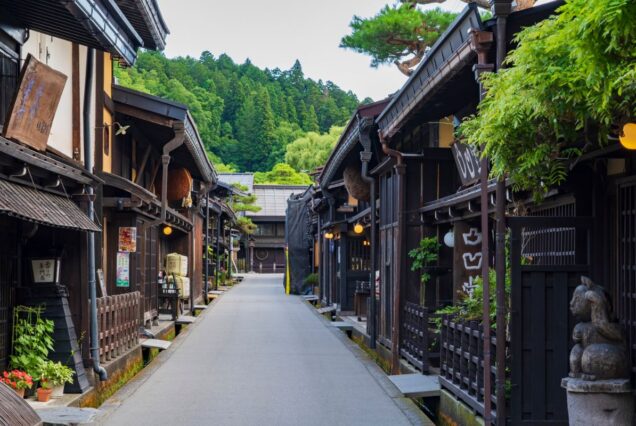
Takayama: beautifully preserved mountain town, morning markets, sake breweries, traditional architecture, gateway to Japanese Alps.
Your stay: Ryokan in Takayama itself or onsen ryokan in nearby Hida Furukawa for even more authentic experience.
Day 6: Takayama's morning markets (Jinya-mae, Miyagawa), old town walking, sake tasting, folk village showcasing traditional life.
Day 7: Day trip into Northern Japanese Alps—Kamikochi (mountain valley, crystal streams, snow-capped peaks, hiking trails from easy to serious). This is Japan's natural drama beyond gardens and temples.
Return to Takayama for final night.
The Nakasendo was Edo-period highway connecting Tokyo and Kyoto through mountains. Sections remain beautifully preserved—post towns with wooden buildings, stone-paved roads, forest paths.
Transfer from Takayama to Magome (2 hours, beautiful route).
Your experience: Walking segments of Nakasendo between post towns—Magome to Tsumago (about 8km, 3 hours, gorgeous), staying in traditional inns, eating local soba, experiencing mountain village Japan.
Accommodation: Ryokan in Tsumago or Narai-juku, traditional post towns.
Days alternate between gentle walking, exploring villages, resting. The point isn't hiking endurance—it's stepping into historical Japan, walking paths shoguns' messengers traveled, sleeping in villages time nearly forgot.
Day 11: Train to Matsumoto (beautiful journey). Matsumoto Castle (one of Japan's finest original castles, black exterior earning "crow castle" nickname).
Overnight Matsumoto, then train toward Hakone, breaking at Yudanaka Onsen en route.
Day 12: Yudanaka/Shibu Onsen area—traditional onsen town where you wear yukata and geta to walk between nine public baths. Nearby Jigokudani: snow monkeys bathing in hot springs (year-round, but winter snow makes it magical).
Overnight at excellent ryokan (this area specializes in them).
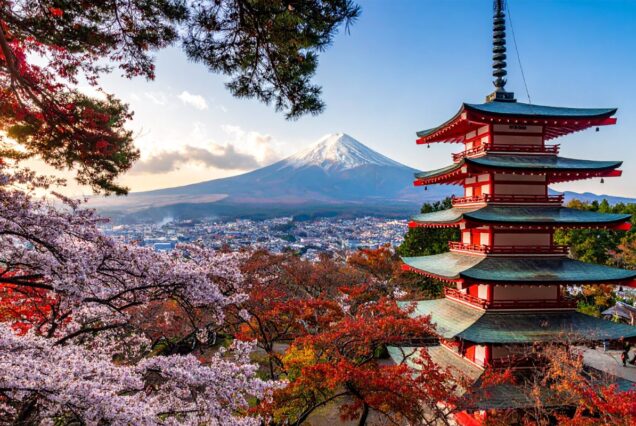
Day 13: Continue to Hakone (onsen resort area near Mt. Fuji). Your ryokan has private onsen, views toward Fuji (if weather cooperates), kaiseki dinners, all traditional hospitality.
Day exploring Hakone: Open-air sculpture museum, lake cruise, ropeway over volcanic valley, black eggs cooked in sulfur springs.