
MOROCCO – IMPERIAL CITIES TO SAHARA
Duration
14 Days
Max People
50
Min Age
2+
Pickup
Airport
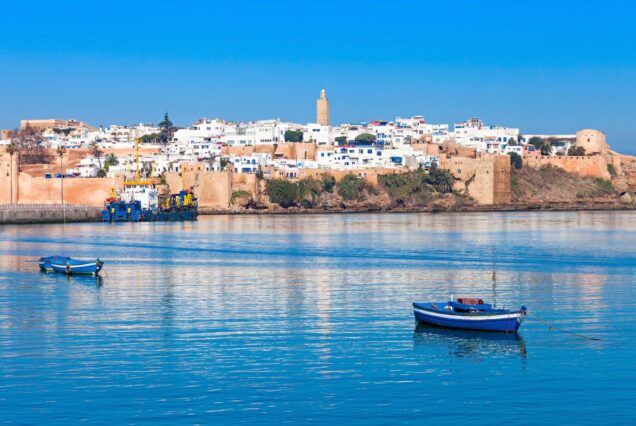
Morocco exists just three hours from Europe, yet feels like stepping through a portal into another century.
The call to prayer echoes across medina rooftops. Mint tea is poured from impossible heights. Spices pile in geometric rainbow mountains.
Read More ↓
Berber carpets hang like art. The Sahara stretches endlessly, reducing everything to elemental simplicity: sand, sky, silence, stars.
But here’s what makes Morocco extraordinary for travelers: accessibility without dilution. It’s foreign enough to feel transformative, familiar enough to navigate confidently. The infrastructure works. English is widely spoken in tourist areas. The food is spectacular. The visuals are Instagram-worthy but genuinely earned.
This journey takes you from imperial cities — Marrakech, Fes, Meknes — through the Atlas Mountains into the Sahara, then back via the “Road of a Thousand Kasbahs” through valleys carved from time itself.
Along the way: riads that hide palatial interiors behind modest doors. Hammams that steam away Western tension. Tagines that transform simple ingredients into aromatic poetry. Berber families who’ll serve you tea in their homes while sharing centuries-old traditions.
By journey’s end, Morocco will have recalibrated your sense of what’s possible just hours from home.
Journey Flow
- Culinary immersion: Market-to-table cooking classes, hands-on tagine and pastilla preparation.
- Wellness rituals: Traditional hammams, spa treatments, mint tea recovery.
- Design & culture: Contemporary art scene, MACMA museum, galleries, boutique medina shopping.
- Active exploration: Hot-air ballooning over the Palmeraie, Atlas foothills hiking.
- Intentional wandering: Getting beautifully lost in the medina, quiet riad courtyards, carpet hunting.
- Desert routing options: Extended Merzouga stays, Errachidia flights, or scenic mountain drives.
- Cultural depth: Meknes and Volubilis Roman ruins day trips.
- Craft immersion: Artisan workshops, custom commissions, technique learning.
- Relaxation pacing: Hammam mornings, riad pool afternoons, slow lunches, evening strolls.
- Extensions: Marrakech finale or Essaouira coastal escape.
Experience Highlights
Marrakech’s Organized Chaos
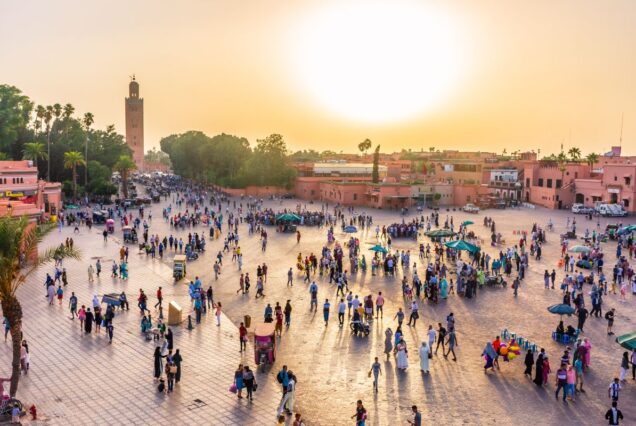
Djemaa el-Fna, souks, Majorelle Garden, rooftop dining, sunset medina views.
Fes Medina Immersion
World’s largest car-free city, medieval tanneries, artisan quarters, endless discovery.
Atlas Mountains Crossing
Berber villages, kasbahs, dramatic passes, shifting landscapes.
Sahara Desert Experience
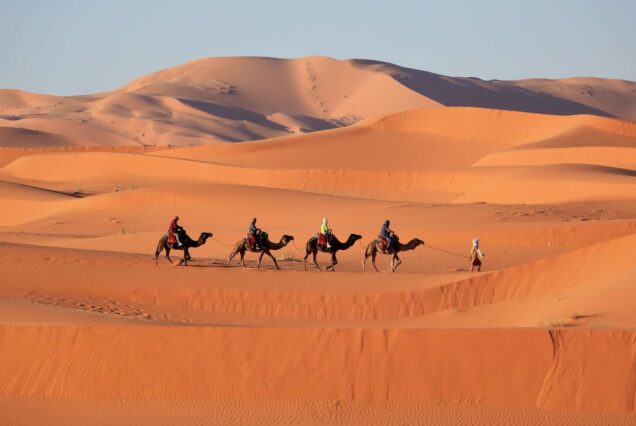
Camel trekking, luxury desert camps, dune sunrise, star-filled silence.
Kasbahs & Valleys
Ait Benhaddou, Dades Gorge, Rose Valley, Ouarzazate film landscapes.
Planning Notes
Spring (Mar–May): Ideal everything — comfortable temperatures, blooming valleys, perfect desert conditions.
Autumn (Sep–Nov): Equally ideal — harvest season, mild days, excellent travel window.
Summer (Jun–Aug): Intense heat in Marrakech and south; coast cooler; fewer crowds; lower rates.
Winter (Dec–Feb): Pleasant cities, snowy Atlas passes possible, cold desert nights, fewer tourists.
Ramadan: Travel possible but requires cultural sensitivity and planning.
Safety: Generally very safe for tourists. Normal travel precautions apply.
Included/Excluded
- Carefully selected riads and kasbahs throughout
- Private driver for entire overland journey (4x4 for desert terrain)
- Expert guides in Marrakech, Fes, and key sites
- Sahara experience: camel trek, luxury desert camp (1 night), all meals
- Most breakfasts, several lunches and dinners (specified in detailed itinerary)
- All entrance fees for monuments and sites
- Pre-travel consultation covering what to expect, what to pack, cultural protocols
- International flights to/from Morocco (Optional)
- Meals not specified as included (Optional)
- Hammam and spa treatments (Optional)
- Hot air balloon ride over Marrakech (Optional)
- Shopping and personal purchases (Optional)
- Tips for guides, drivers, riad staff (Optional)
- Travel insurance
- Gratuities for guides, rangers, lodge staff
Tour Plan
Marrakech hits all senses simultaneously. The airport transfer drives through palm groves into the medina's ancient walls. Your riad—perhaps El Fenn for bohemian-chic, or Royal Mansour for Moroccan luxury distilled to its essence, or a smaller boutique property for intimate scale—reveals itself like a secret: modest door, then explosion of zellige tilework, carved cedar, fountains, courtyards open to sky.
This first evening is gentle. Perhaps just the riad rooftop for sunset and mint tea. Perhaps a short walk to Djemaa el-Fna square (5-10 minutes from most riads) to watch the nightly transformation from market to open-air restaurant to performance space. Don't eat there yet—too overwhelming for first night. Return to your riad for dinner in the courtyard.
Tomorrow you'll understand Marrakech. Tonight, just arrive.
Your guide—crucial for first-time Marrakech visitors—meets you after breakfast. The medina is a 12th-century maze where Google Maps fails and intuition is useless. But with a guide who grew up here, it transforms from confusing to captivating.
Morning: Koutoubia Mosque (exterior—non-Muslims can't enter), Bahia Palace's romantic excesses, Saadian Tombs' rediscovered splendor. But more importantly: souks. Spice markets where saffron and ras el hanout pile in sunset colors. Carpet souks where sellers materialize with "just looking is free, my friend" (never believe them, but the banter is part of it). Metal workers hammering brass. Leather goods smelling of tanneries. Argan oil vendors promising cosmetic miracles.
Lunch: Hidden riad restaurant your guide knows. Tagine or couscous, mint tea, respite from sensory overload.
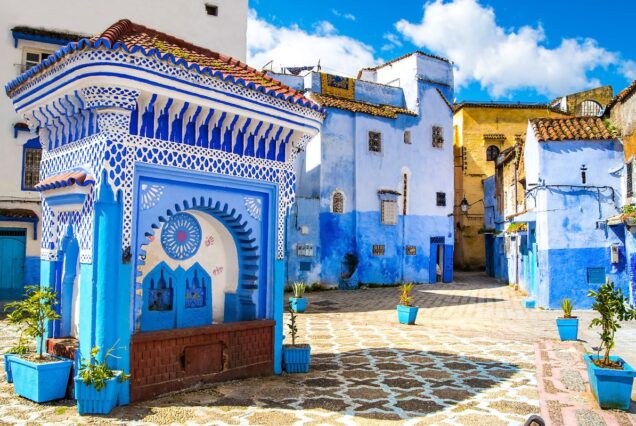
Afternoon: Majorelle Garden—Yves Saint Laurent's sanctuary, impossibly blue, surprisingly tranquil after medina intensity. Then Gueliz (new town) if you want to see contemporary Moroccan life, or back to medina for more wandering now that you've got bearings.
Evening: Rooftop dinner at Nomad or Le Jardin or similar—medina views, modern Moroccan cuisine, perfect end to full day.
Options include:
Evening could be Djemaa el-Fna food stalls (now that you've acclimated), or another riad restaurant, or Le Marocain at Royal Mansour if celebrating something.
Private driver collects you after breakfast. The route to Sahara takes two days, but the journey is the destination.
First: crossing the High Atlas via Tizi n'Tichka pass (2,260m). The road switchbacks dramatically, each turn revealing different vistas: green valleys giving way to red earth, Berber villages terracing hillsides, snow-capped peaks (winter/spring), roadside argan cooperatives where women crack nuts for precious oil.
Lunch en route—perhaps at Kasbah Telouet (former Glaoui pasha's crumbling palace) or a mountain-view restaurant.
Afternoon: Ait Benhaddou, the UNESCO kasbah that's starred in endless films (Lawrence of Arabia, Gladiator, Game of Thrones). It's touristy because it's genuinely magnificent—a fortified village of mud brick kasbahs stacked up a hillside like a sandcastle made by ancient giants.
You'll stay nearby—perhaps Dar Ahlam for luxury kasbah experience, or Kasbah Ellouze for more intimate scale. These properties showcase southern Morocco's architectural beauty: thick walls keeping interiors cool, rooftop terraces catching breezes, dinners under stars.
Continue east through valleys Hollywood uses when it needs "ancient Middle East" settings.
Dades Gorge first—the road winds through rock formations that shouldn't exist, eroded into alien shapes. Rose Valley next—if spring (April-May), roses being harvested for distillation into rosewater. Tinghir and Todra Gorge—palm oases beneath sheer canyon walls.
This is driving day, but with stops for photos, mint tea with Berber families, carpet shops (no pressure, but the quality here exceeds medina and prices are better), and lunch overlooking improbable vistas.
By late afternoon, you're approaching Merzouga on the Sahara's edge. Check into your hotel/kasbah (tomorrow you'll go deeper into dunes, tonight you're at the edge). Sunset from the dunes within walking distance.
Mid-afternoon, you're collected for your Sahara experience. Some camps offer 4x4 transfer, but camel trek is traditional (90 minutes, not terrible if you've read warnings and still want it—the photos justify sore thighs).
Your desert camp sits deep in Erg Chebbi dunes. Not "glamping"—actual luxury: proper beds, en-suite bathrooms with actual showers, carpets and lanterns, private tents with decks for stargazing.
Arrive at sunset. Watch the dunes transform from gold to copper to purple to black. Dinner is communal (or private if you prefer)—Berber tagines, salads, music around fire, mint tea ceremony.
Then: stars. Sahara sky isn't metaphor—you see the Milky Way like a river, satellites crossing, shooting stars regular enough to stop wishing on them. The silence is profound—no insects, no wind, just occasionally distant dune sound.
Sleep to absolute quiet.
Wake before dawn (they'll wake you if needed). Climb nearby dune to watch sunrise paint the sand ocean. Breakfast back at camp. Then depart—either by camel again, or 4x4 if yesterday's ride was enough.
Return to Merzouga by mid-morning. Options for remainder of day:
Most choose to continue overland toward Fes, making this a full loop rather than retracing steps.
Long driving day (7-8 hours) but scenery shifts continuously: from desert edge through Middle Atlas mountains (cedar forests, Berber monkeys if lucky) to Fes.
Arrive late afternoon. Your riad in Fes medina—perhaps Karawan Riad for rooftop views, or Palais Amani for restored palace grandeur, or Riad Fes for contemporary interpretation.
Settle in. Dinner at the riad—Fes dining scene exists but medina navigation at night is challenging for newcomers.
Fes el-Bali (old medina) is UNESCO-listed, 9,400 labyrinthine streets, world's largest car-free urban area, and completely overwhelming without guidance.
Your guide is essential here—someone who knows which dead-ends lead to hidden fondouks (caravanserais), which shops are family-run versus tourist traps, and how to navigate tanneries without getting lost or sold something you don't want.
Morning: Bou Inania Madrasa (theological college, stunning tilework), Nejjarine Fountain and Museum, Al Qarawiyyin University (world's oldest continuously operating, established 859 AD—exterior only unless you're Muslim).
Then: the tanneries. Yes, they're touristy. Yes, tours inevitably end in leather shop. But they're also genuinely medieval—men standing in dye vats using techniques unchanged for centuries. The smell is... memorable. Accept the mint sprig they offer for your nose.
Lunch: In medina somewhere your guide knows, or back to riad for respite.
Afternoon: Artisan workshops—pottery painting, zellige tile-making, weaving, metalwork. Fes is Morocco's craft capital; these aren't tourist shows but actual production.
Evening: Perhaps Café Clock for fusion Moroccan dining and cultural programming, or Restaurant Dar Roumana for refined tagines, or riad again because honestly, after full Fes day, you might want quiet.
Train from Fes to Marrakech (7 hours but comfortable first class) or private driver (similar time, more flexibility for stops—perhaps Beni Mellal or Azilal).
Final night or two in Marrakech—now familiar, less overwhelming, able to navigate with confidence. Last tagine. Final souvenirs. Hammam if you didn't already. Rooftop sundowners. Departure next day.
Instead of Marrakech direct, route via Atlantic coast to Essaouira (2.5 hours from Marrakech). The windswept fishing port with Portuguese fortifications, excellent seafood, chilled atmosphere, Jim Hendrix connection, kite-surfers, thuya wood crafts.
Stay at riad overlooking harbor, or L'Heure Bleue for boutique luxury, or Madada Mogador for contemporary simplicity.
Two nights minimum to appreciate the slower pace after medina intensity. Beach time, seafood lunch at port stalls, rampart walks, art galleries, doing not much at all.
Then Marrakech for final night before departure.
Morocco is Muslim and relatively conservative. Women should dress modestly (cover shoulders/knees in cities, especially old medinas). Men likewise avoid shorts/tank tops except at beach/pool.
Haggling is expected in souks—offer 50% of asking price, settle around 60-70%. Never feel obligated to buy. "La, shukran" (no, thank you) works.
Tipping is expected: 10-20 dirhams for small services, 5-10% for meals, more for guides and drivers (your curator will provide detailed guidance).