
India — Rajasthan in Depth
A carefully paced luxury journey through palaces, tigers, sacred cities and living traditions.
India doesn’t ease you in. It floods all senses simultaneously until you surrender to the chaos and begin to see its extraordinary beauty.
Rajasthan — the desert state of maharajas and forts, tigers and turbans — offers India’s intensity in its most romantically packaged form. Jaipur’s pink palaces. Udaipur’s lake palace floating impossibly white. Jodhpur’s blue-washed old city beneath a fort carved from living rock. Pushkar’s sacred lake where pilgrims bathe at dawn. Ranthambore’s tigers padding silently through ancient ruins.
This journey threads Rajasthan’s Golden Triangle (Delhi–Agra–Jaipur) with deeper exploration: palace hotels that were once royal residences, tiger safaris in national parks, village encounters revealing rural rhythms, and just enough luxury to soften the sensory overload.
Because India requires pacing. Too much, too fast leads to burnout. This itinerary builds in recovery — poolside palace afternoons, spa moments, unrushed travel days — balancing architectural grandeur with wildlife, urban intensity with rural calm, guided exploration with free time.
Over 10–14 days, you’ll experience India’s magnificent contradictions: ancient and ultramodern, spiritual and practical, serene and chaotic, frustrating and utterly addictive.
Fair warning: India changes you. Always.
Palace Hotels
Sleep in authentic maharajas’ residences converted into refined heritage properties — genuine history paired with modern luxury.
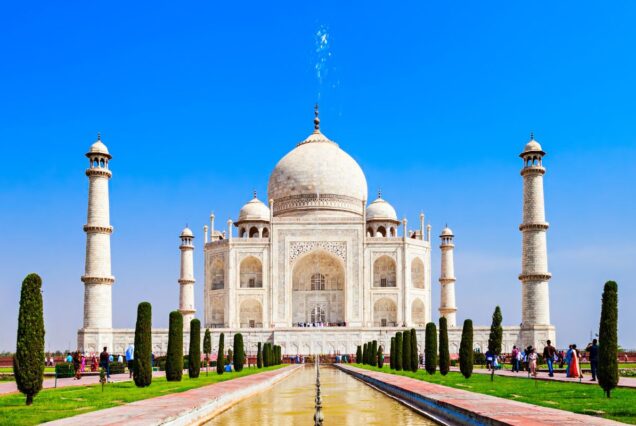
Taj Mahal at Dawn
First light, minimal crowds, near silence — the world’s most iconic monument at its most magical moment.
Tiger Tracking
Safaris in Ranthambore National Park in search of Bengal tigers moving through ruins reclaimed by jungle.
Rajasthani Culture
Village visits, cooking classes, textile workshops, and living traditions that endure alongside modern life.
Architectural Grandeur
Amber Fort’s mirrored halls, Mehrangarh’s commanding heights, Udaipur’s palace labyrinth, Delhi’s imperial legacy.
Careful Pacing
Enough stimulation to inspire, enough rest to process, enough luxury to recover.
Journey Flow
- Artisan workshop visits — miniature painting, textiles, hands-on cultural immersion
- Museum exploration — Albert Hall, textile collections, royal archives
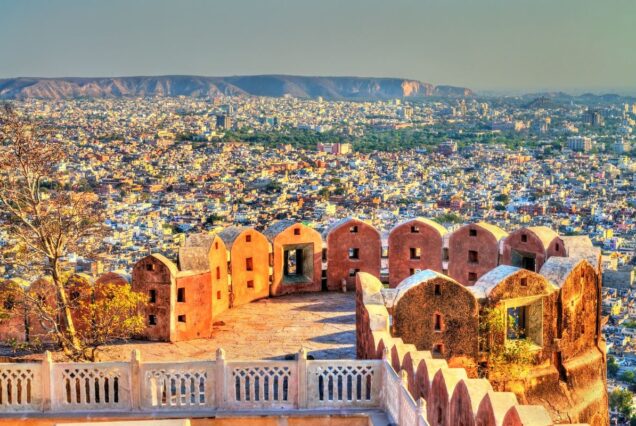
- Architectural extensions — Nahargarh Fort viewpoints, stepwells, temples
- Saheliyon-ki-Bari — Udaipur’s royal gardens and fountains
- Vintage Car Museum (optional)
- Lakeside lounging and spa afternoons
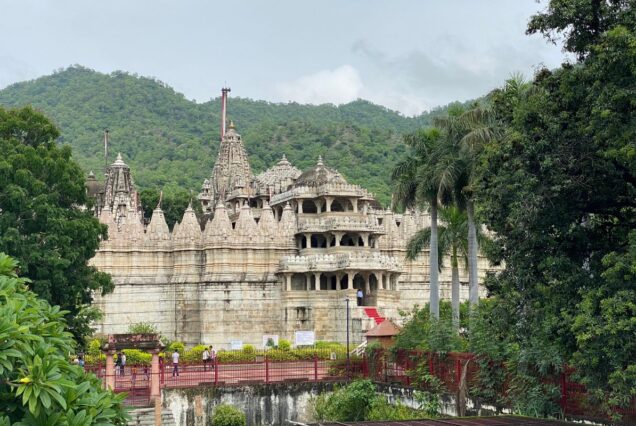
- Optional day trip to Ranakpur Jain Temples
- Unstructured exploration — discovering hidden corners
Optional Extensions
Pushkar (2 nights): Sacred lake, pilgrimage rituals, artistic energy, camel fair in November, relaxed bohemian charm.
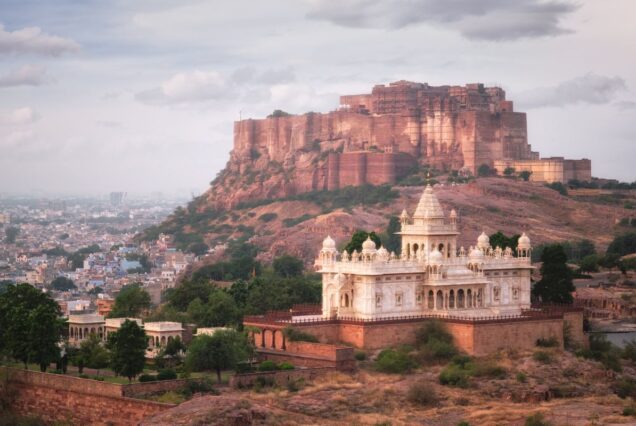
Jodhpur (2 nights): The Blue City beneath towering Mehrangarh Fort — bold character, dramatic architecture, cultural depth.
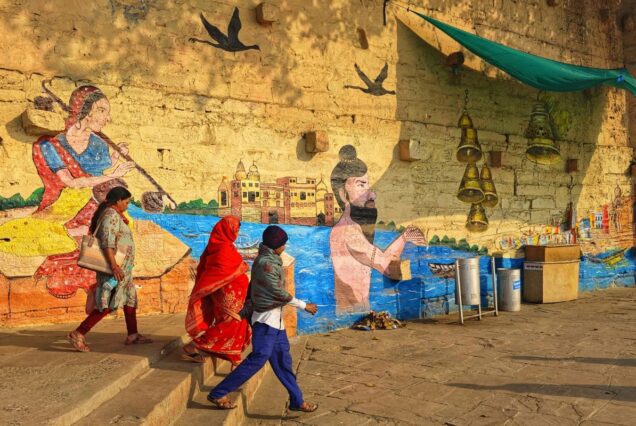
Varanasi (3 nights): India at its most intense — Ganges rituals, sunrise boat rides, life and death ceremonies. Recommended only for travelers seeking deep spiritual immersion.
Planning Notes
Best Seasons
October – March: Ideal. Cool, dry, comfortable. Peak season — advance booking essential.
April – June: Extremely hot (40–48°C). Exceptional wildlife sightings. Best for heat-tolerant travelers.
July – September: Monsoon season. Lush but humid. Some parks and hotels close. Not ideal for first visits.
Special Timing
November: Post-monsoon clarity, Pushkar Camel Fair
December – February: Coolest, most comfortable, highest demand
February – March: Holi Festival — vibrant celebration of color
Health & Preparation
- Vaccinations: Consult a travel clinic (typhoid, hepatitis A commonly advised)
- Medications: Carry essentials — local brands differ
- Insurance: Comprehensive travel insurance strongly recommended
Included/Excluded
- Heritage hotels and palace properties throughout
- Private driver and vehicle for all road transfers
- Expert guides in each city
- All entrance fees for monuments and sites
- Ranthambore National Park safari drives
- Boat cruise in Udaipur
- Domestic flights where specified (Jaipur-Udaipur, Udaipur-Delhi)
- Most breakfasts, some lunches and dinners
- Pre-travel consultation covering what to expect, cultural prep, health considerations
- International flights to/from India (Optional)
- Meals not specified as included (Optional)
- Optional experiences: additional safaris, cooking classes, workshops Shopping and personal purchases (Optional)
- Tips for guides and drivers (Optional)
- Travel insurance (Optional)
- Visa fees (most nationalities require e-visa, easily obtained online)
Tour Plan
Delhi assaults then seduces. The airport is modern, efficient. The drive into the city reveals India's contrasts: new metro lines alongside bullock carts, glass towers beside ancient mosques, BMWs honking at cycle rickshaws.
Your hotel is sanctuary: perhaps The Imperial for colonial grandeur, or Taj Mahal Hotel New Delhi for contemporary luxury, or Haveli Dharampura in Old Delhi if you want immediate immersion.
First day is acclimatization. Perhaps just hotel grounds, spa, pool. India rewards gentle entry. Evening might be hotel restaurant or, if energy allows, short walk to nearby area. But honestly, jet lag plus Delhi plus first-day overwhelm makes rest smarter.
Morning: Old Delhi with expert guide. Jama Masjid (India's largest mosque, Red Fort exterior, Chandni Chowk's overwhelming market lanes where cycle rickshaws are the only vehicles, Paranthe Wali Gali for street food breakfast (guide orders for you—trust them).
This is sensory overload: spices, traffic, crowds, poverty, energy, smells both wonderful and awful, vendors calling, cows wandering, temples squeezed between shops. Exhausting and exhilarating simultaneously.
Lunch back at hotel—you'll need breather.
Afternoon: New Delhi's imperial architecture. Lutyens' Delhi (British designed the capital after moving it from Calcutta): India Gate, Parliament buildings (exterior), Rashtrapati Bhavan (Presidential residence). Then Humayun's Tomb (UNESCO site, Mughal architecture prefiguring Taj Mahal), and Qutub Minar if time/energy allows.
This half is calmer—wide boulevards, gardens, architectural grandeur versus Old Delhi's intimate chaos.
Evening: Dilli Haat craft market for shopping and regional food stalls, or Indian Accent restaurant for contemporary Indian cuisine at its finest, or hotel again because honestly, two Delhis in one day is enough.
Early morning departure Delhi to Agra (3-4 hours drive, or short train if you prefer). Your driver navigates India's highways—an experience itself.
Check into your Agra hotel: perhaps Oberoi Amarvilas (absurdly close to Taj with direct views), or ITC Mughal for Mughal-themed luxury, or The Gateway for accessible comfort.
Afternoon: Agra Fort. Less famous than Taj but equally impressive—the red sandstone fortress where Shah Jahan was imprisoned by his son, watching the Taj he built for his wife from across the river. Your guide will unfold the dynasty's drama: power, betrayal, architectural obsession.
Evening: Free. Perhaps view Taj from Mehtab Bagh (garden across Yamuna river) at sunset. Perhaps just hotel rest—tomorrow's early.
Wake at 5:30am. The Taj opens at sunrise, and this is when you must see it. Your guide and driver collect you.
Entering as dawn breaks: the crowds haven't arrived, the marble glows pink then white as sun rises, the reflection in the pools is still. You'll have talked yourself into being cynical about such an icon—"it's just a building, I've seen photos forever, how special can it actually be?"
Then you see it. And yes, it absolutely lives up to every expectation.
You'll spend two hours here. Walking around, inside (marble inlay work is mind-bending), photographing, sitting, absorbing. Your guide explains the symbolism, the construction, the love story, the eventual betrayal.
Return to hotel for breakfast. Pack. Depart for Ranthambore (5-6 hours drive, breaking at Fatehpur Sikri en route—Akbar's abandoned capital, UNESCO site, magnificent architecture left to heat and tourists).
Arrive Ranthambore late afternoon. Your hotel here is wildlife-focused: perhaps Oberoi Vanyavilas for tented luxury, or Aman-i-Khas if it's open (seasonal), or Sher Bagh for heritage camp experience.
Early dinner. Early sleep. Tomorrow begins at dawn for tiger tracking.
Ranthambore National Park is tiger tracking at its most dramatic: the cats move through ruins of medieval fort and temples—nature reclaiming architecture, wildlife roaming history.
The rhythm: 6am-10am morning safari, brunch back at lodge, rest during midday heat (tigers also rest), 2:30pm-6:30pm afternoon safari, dinner, sleep, repeat.
You're in open "canter" vehicles (like safari trucks, holding 20 people) or closed gypsies (smaller jeeps, 6 people—more expensive, better experience). Your driver/guide knows zones, communicates with others via radio about sightings.
Tiger viewing is never guaranteed. But Ranthambore's density is among India's highest, and two days/four safaris gives good odds. Even without tigers: sloth bears, leopards, sambar deer, crocodiles, hundreds of bird species, ruins to explore.
If you do see a tiger—whether glimpse through trees or prolonged sighting as she crosses open ground—you'll understand why people obsess over these animals. The power. The grace. The way everything else falls silent when she appears.
Between safaris: lodge pool, spa, lounging, reading. The pace is slower than you'd expect—intentionally so.
Morning safari if you want fourth chance at tigers, then 3-hour drive to Jaipur (Rajasthan's capital, called "Pink City" for terracotta buildings).
Your accommodation: Perhaps Raj Palace for heritage hotel glory (their rooms are themed by Rajasthani regions), or Rambagh Palace if staying where maharajas actually lived appeals, or Alsisar Haveli for boutique heritage, or even Samode Palace outside the city if you want next-level special.
Arrive by lunch. Afternoon free—pool, spa, adjusting. Perhaps evening walk in nearby bazaar (your hotel will guide you to good ones), or rooftop dinner overlooking illuminated palaces.
Morning: Amber Fort (11km outside Jaipur). The most spectacular fort-palace complex you'll see—perched on hilltop, approached via winding road, honey-colored ramparts, interior halls of mirrors, views over Maota Lake.
You can elephant-ride up (controversial—animal welfare concerns), or jeep, or walk. Inside: exploring chambers, terraces, courtyards. Plan 2-3 hours.
Stop at Jal Mahal on return—"water palace" floating in lake (exterior viewing only, still photogenic).
Afternoon: Jaipur proper. City Palace (still partly occupied by current royal family), Hawa Mahal ("Palace of Winds"—that iconic pink facade with windows), Jantar Mantar (18th-century astronomical observatory with massive instruments).
Evening: Perhaps dinner at 1135 AD restaurant inside Amber Fort (return there at night—atmospheric), or Suvarna Mahal at Rambagh Palace for royal dining, or Something's Brewing for casual rooftop option.
Jaipur is craft capital: block printing, blue pottery, jewelry, textiles, miniature painting. Morning could be:
Afternoon: Shopping (Johari Bazaar for jewelry, Bapu Bazaar for textiles) or rest—Jaipur is exhausting in the best way.
Or add an optional experience: village visit outside the city, cooking class, cultural performance.
Short flight from Jaipur to Udaipur (1 hour, beats 6-hour drive). The lake city, whitewashed palaces, romantic setting, often called "Venice of the East" (overselling, but it is beautiful).
Your hotel here is the decision: **Taj Lake Palace** (the white palace literally floating in Lake Pichola—ultimate fantasy), or **Oberoi Udaivilas** (on shore, incredible luxury, arguably better views), or **Fateh Prakash Palace** (heritage property within City Palace complex), or boutique haveli if you want intimacy over grand.
Arrive by lunch. If staying at Lake Palace, boat transfers you across. Settle in. Afternoon at leisure—pool, spa, wandering the hotel.
Evening: Sunset boat cruise on Lake Pichola (mandatory experience), views of palace hotels, surrounding ghats, evening light painting everything golden. Dinner at hotel or Ambrai restaurant for lakeside seating.
Morning: City Palace complex—sprawling royal residence, museums, courtyards, now partly hotel. Intricate tilework, paintings, weapons, royal history. Plan 2-3 hours.
Walk through surrounding old town: temples, ghats, narrow lanes, shops.
Afternoon: Choice of:
Evening: Perhaps cultural performance at Bagore ki Haveli (traditional dance and music), or sunset from Sajjangarh (Monsoon Palace) fortress on hillside, or boat dinner arranged by your hotel.
Final Udaipur day is flexible:
Evening flight back to Delhi (or overnight Udaipur, fly next morning), connecting to international departure.
Optional Extensions
India rewards research. Understanding context—Mughal history, Hindu/Muslim dynamics, caste system (officially abolished, culturally persistent), independence struggle—makes sights more meaningful.
Dress modestly: covered shoulders and knees at religious sites, women especially conservative in rural areas.
Food caution: Drink only bottled water. Avoid raw vegetables/salads. Street food with your guide's approval only. Most travelers experience some digestive adjustment—come prepared.
India has persistent touts, rickshaw overcharging, gem scams, aggressive vendors. Your guide and driver buffer most of this. Be firm but polite with "no thank you."
Solo female travelers: India is generally safe but requires extra awareness. Private driver/guide greatly increases comfort.
India is simultaneously magnificent and frustrating. Palaces are breathtaking; traffic is nightmarish. Service can be impeccable; bureaucracy can be maddening. You'll have moments of pure joy and moments of "what am I doing here?"
This itinerary mitigates the rough edges: heritage hotels provide respite, private drivers avoid public transport chaos, guides buffer overwhelming situations. But India still bleeds through.
That friction between difficulty and reward is actually part of the experience. India doesn't allow passive tourism. You engage fully or not at all.