
Zanzibar: Culture & Coast


Duration
4 hours
Max People
50
Min Age
2+
Pickup
Airpot
Zanzibar works as a paradox.
It’s desperately famous—every traveler headed to Tanzania adds “and then Zanzibar” to their itinerary. Yet most experience only the beach resort version: all-inclusive compounds, sunset cruises, spice tour buses.
This version goes deeper. Much deeper.
Read More ↓
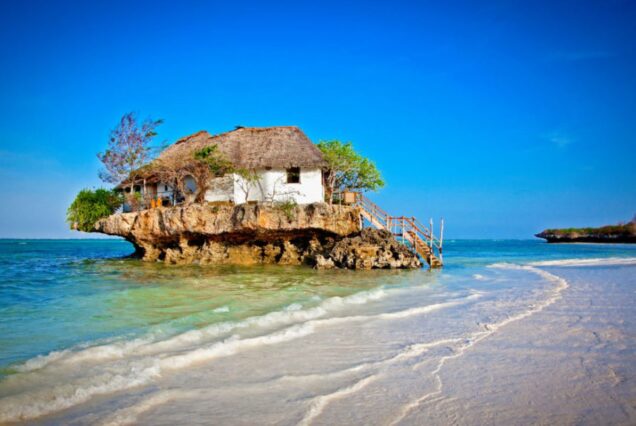
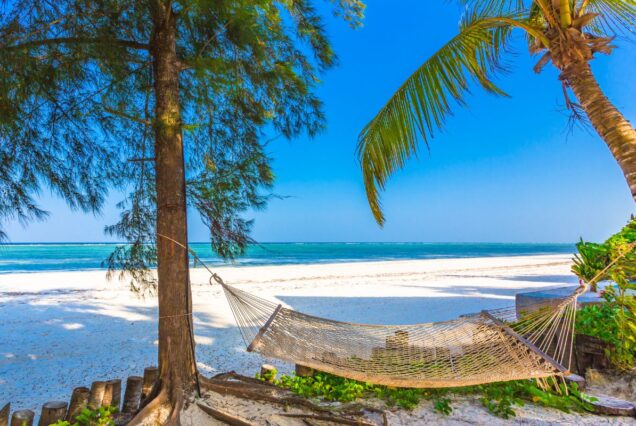
Because Zanzibar isn’t just beaches (though yes, the coast is absurdly beautiful—white sand, turquoise water, palm trees leaning dramatically like they’re posing). It’s also Stone Town’s labyrinthine alleys where Swahili, Arab, Indian, and Persian influences collided and created something entirely unique. It’s the scent of cloves and cardamom permanently embedded in the humid air. It’s centuries of Indian Ocean trade routes, slavery’s brutal history, sultans’ palaces, and a contemporary culture still navigating what all that heritage means.
This journey gives you both. Culture first—two full days in Stone Town with guides who grew up here, who can read architecture like text and translate the island’s complex past without simplifying it. Then the coast—five or six days of actual rest, not just beach-hopping. Time to read that novel. Learn to paddleboard. Take dhow trips to disappearing islands. Or simply exist without agenda.
The rhythm is deliberate: stimulation then stillness, cultural intensity then coastal simplicity, Stone Town’s maze then the ocean’s horizon.
This works beautifully as a standalone journey or as the perfect soft landing after safari’s intensity. Either way, you’ll leave understanding why Zanzibar has captivated travelers for a thousand years.
Experience Highlights
Stone Town’s Secrets
Expert-guided walks revealing hidden courtyards, carved doors, functioning mosques, markets locals actually use—not tourist theater.
Swahili Immersion
Cooking classes with Zanzibari families, language basics, cultural context that transforms sightseeing into understanding.
Coastal Stillness
Beach time that’s actually restful—no activities schedule, no forced entertainment, just excellent food and empty calendars.
Dhow Sailing
Traditional boat trips following centuries-old routes to sandbars, reefs, and islands that appear only at low tide.
Space to Integrate
Enough unstructured time that you can read, swim, think, nap, wander, or simply be—luxury defined as freedom from schedule.
Included/Excluded
- Boutique Stone Town accommodation (2-3 nights)
- Beach resort accommodation (4-6 nights)
- Private transfers throughout
- Stone Town cultural guiding (full day)
- Selected experiences: cooking class or spice tour or dhow sailing
- Most meals (specifics in detailed itinerary)
- Pre-travel consultation
- Support throughout
- Flights: domestic Tanzania, regional, international (Optional)
- Travel insurance (Optional)
- Alcoholic beverages (Optional)
- Water activities: diving, kite surfing, fishing charters (Optional)
- Additional cultural experiences (Optional)
- Private dhow charters (Optional)
- Extensions: Pemba, Mafia, second island options (Optional)
- Celebration arrangements (Optional)
Tour Plan
You arrive in Zanzibar by ferry (if coming from mainland Tanzania) or flight (if flying direct). Either way, the humidity hits like a wall—warm, thick, carrying scents of ocean and spice.
Your hotel is in Stone Town itself: perhaps Emerson Spice for historic atmosphere, or Park Hyatt for contemporary luxury in a heritage building, or Zanzi Resort for adults-only sophistication. All are centrally located—you can walk everywhere worth walking.
This first afternoon is gentle. Perhaps just the hotel rooftop, a cold drink, watching the sun turn the Indian Ocean from turquoise to silver to ink. Dinner is somewhere atmospheric—maybe at the hotel, maybe at a rooftop restaurant where Taarab music drifts up from the street below.
Tomorrow begins properly. Tonight you just arrive.
Your guide collects you after breakfast. This isn't a bus tour—you're walking, slowly, with someone who knows every hidden passage.
Stone Town reveals itself in layers. The obvious layer first: Forodhani Gardens' waterfront, the House of Wonders with its absurd grandiosity, the Old Fort. Your guide explains the architecture's grammar: those carved Zanzibari doors (each one tells a status story), the coral stone buildings (locally quarried, perfectly adapted to climate), the narrow streets (designed for pre-automobile life, resisting modernization).
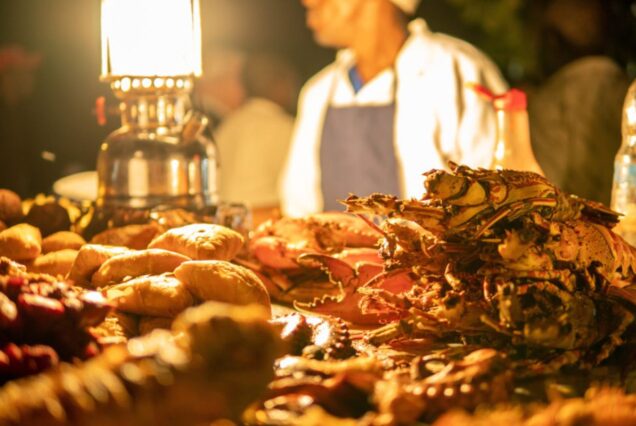
Then the second layer: street food markets where locals eat, not tourists. Mosques still functioning after centuries. Schools in buildings that once housed sultans. Your guide is translating culture, not just history: "This is where marriages are negotiated." "That shop sells herbal medicines my grandmother still swears by." "These kids are headed to madrasa—religious school runs parallel to secular education."
Lunch is at a local spot—perhaps Lukmaan restaurant for legendary biryani, or 236 Hurumzi for rooftop elegance, or a family kitchen serving pilau and coconut beans and urojo soup. No menus, no western options. Perfect.
Afternoon brings the spice markets (yes, tourist staple, but your guide knows vendors personally—you're tasting, not just buying). Then the Peace Memorial Museum for uncomfortable honesty about the slave trade. Then perhaps Christ Church Cathedral, built on the former slave market site, a complicated monument to colonialism and liberation both.
By evening you understand Stone Town's peculiar energy: simultaneously preserved and lived-in, tourist attraction and functioning neighborhood, proud of its past and ambivalent about it.
Dinner tonight is at Emerson Spice's rooftop—elaborate Swahili tasting menu, ocean views, probably the best meal of your trip.
This morning offers options: cooking class with a Zanzibari family (market shopping together, then preparing pilau or coconut curry or those perfect zanzibari pizzas). Or a visit to the contemporary art scene—galleries and studios showing work that engages with Zanzibar's identity. Or just more wandering in Stone Town's alleys, now that you've got your bearings.
By afternoon, you're ready for the coast.
Your driver navigates the island's interior—clove and coconut plantations, villages where chickens scatter at your approach, finally emerging onto the coast.
Your beach resort sits somewhere beautiful: perhaps Matemwe for northeast barefoot luxury, or Mnemba Island for utter privacy, or Zuri for contemporary design, or Baraza for Arabesque opulence. What matters: it's on the beach, the food is excellent, and they understand that after Stone Town's intensity, you need actual rest.
You settle in. Unpack properly for the first time. Eat dinner barefoot. Sleep to the sound of waves.
This is where the journey shifts gears entirely.
Here's what happens on the coast: very little.
Wake whenever. Breakfast on your terrace. Swim. Read. Perhaps a dhow trip to Prison Island (for ancient tortoises and snorkeling, not prisons—the name's historical). Perhaps kayaking through mangroves. Perhaps paddleboard lessons. Perhaps a sunset sail where dolphins frequently join.
But mostly: nothing scheduled.
One day you might take a village walk with a guide, meeting seaweed farmers and boat builders, understanding coastal life beyond resorts. Another day you might do absolutely nothing except move between pool and ocean and hammock.
The meals establish rhythm: breakfast whenever you surface, lazy lunches, afternoon fruit and coffee, sundowners on the beach, dinners that might be lobster or octopus or perfectly grilled kingfish with coconut rice.
Some travelers take a day trip to Jozani Forest (for red colobus monkeys) or Nungwi (for sunset from the northern tip). Others never leave the resort.
Both approaches are right. That's the point—you're finally operating on your own time, no itinerary, no schedule, no "must-sees."
By day seven or eight, you're genuinely rested. The kind of rest you rarely achieve—where you wake naturally, where afternoons disappear into books, where time stops feeling urgent.
The tan is real. The sleep debt is paid. The mind is quiet.
Your final morning is slow. Maybe one last swim. Maybe breakfast on the beach. Your driver waits but doesn't rush.
The airport is small, often chaotic, somehow charming in its dysfunction. You'll board a small plane (if hopping to mainland Tanzania) or a larger jet (if flying international).
Either way, you're leaving with that particular Zanzibar cocktail: culturally enriched and physically restored, having experienced both intensity and ease.
Some travelers aren't ready to leave—they extend for a few more coastal days. Others add a second island: Pemba for diving, or Mafia for whale sharks. Or they return to Stone Town for one final night, bookending the journey.
Or perhaps you're ready—carrying Zanzibar's complexity and simplicity in equal measure.
Zanzibar works year-round, but seasons matter:
Dry season (June-October, December-February): better weather, higher prices, more crowded beaches
Green season (March-May, November): dramatic skies, occasional rain, far fewer tourists, lower prices, seaweed farming affects some beaches
The seaweed question: Zanzibar's east coast tides swing dramatically. At low tide, beaches can stretch forever—beautiful but not swimmable. At high tide, water reaches the sand. Northeast coast (Matemwe, Mnemba) has less extreme swings than southeast (Jambiani, Paje).
We'll match your dates to best coast locations and honest expectations.