
Rwanda: Gorilla & Highlands Experience
Duration
4 hours
Max People
50
Min Age
2+
Pickup
Airpot
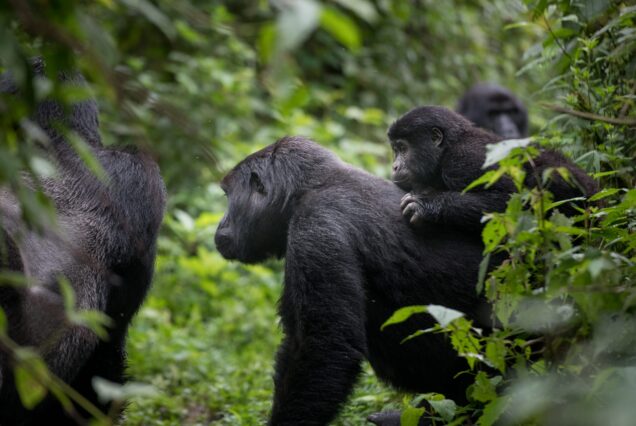
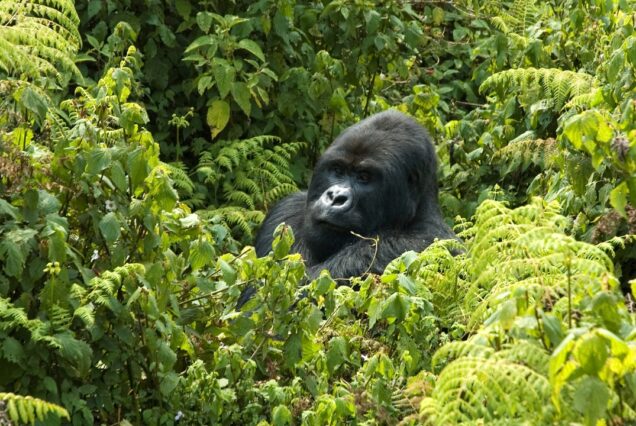
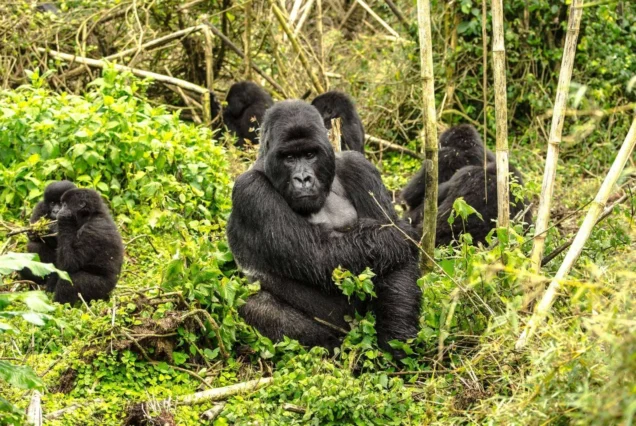
There are wildlife encounters. And then there’s sitting three meters from a mountain gorilla, watching her gently examine her infant’s fingers while the silverback dozes against a bamboo stand behind you, completely indifferent to your presence.
It breaks something open inside you. Always.
Read More ↓
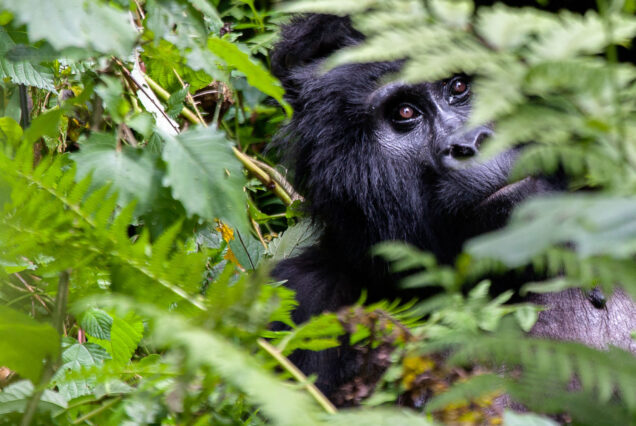
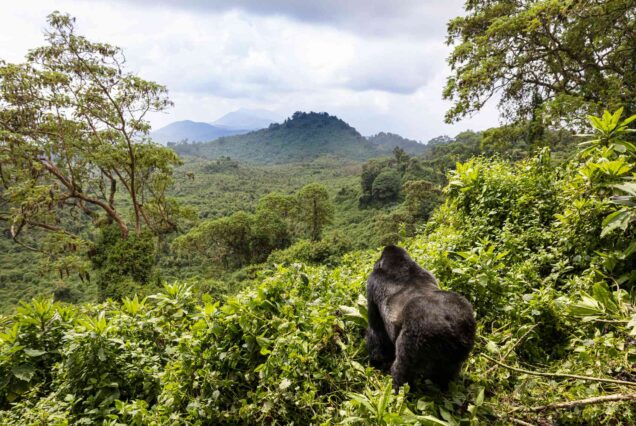
This journey centers on one of Earth’s most profound wildlife experiences—approached with the respect, preparation, and ethical framework it deserves. No gimmicks. No performance. Just you, the forest, expert guides, and approximately 1,000 remaining mountain gorillas living their actual lives in Rwanda’s misty Virunga volcanoes.
But here’s what makes this different from other gorilla tracking programs: context. You’ll understand Rwanda’s extraordinary recovery story—from near-collapse to conservation leader. You’ll meet rangers risking their lives daily for these great apes. You’ll stay at lodges funding serious conservation work, not just talking about it. You’ll learn why gorilla tourism, done right, might be the only thing preventing extinction.
And you’ll have time—before and after the trek—to absorb what you’ve experienced. Because rushing away from something that momentous does it a disservice.
This is travel with weight to it. Purpose. The kind of journey you measure your life by: before and after you sat with gorillas.
Experience Highlights
The Encounter
Gorilla trekking in Volcanoes National Park with expert trackers—one hour with a habituated family that may just change how you see humanity’s place in nature.
Conservation with Substance
Lodges and experiences funding real protection work—rangers’ salaries, anti-poaching units, community programs, reforestation.
Cultural Depth
Meet communities who chose conservation over conflict, learning how Rwanda’s inclusive model gives locals genuine stake in protecting gorillas.
Time to Integrate
Unhurried pacing before and after the trek—because this experience deserves time to settle, not a sprint to the next activity.
Rwanda’s Recovery
Context about one of Africa’s most remarkable national transformations—how a country rose from devastation to become a conservation exemplar.
Included/Excluded
- Luxury eco-lodge accommodation with documented conservation impact
- Gorilla trekking permit ($1,500 value) included in price
- All park fees, guide fees, and porter fees (strongly recommended—you're creating employment)
- Private vehicle and driver-guide throughout
- Most meals and premium beverages
- Pre-travel briefing call covering physical requirements, packing, expectations
- Support throughout journey
- International flights (Optional)
- Travel insurance including evacuation coverage (required)
- Additional permits: golden monkey tracking, second gorilla trek, Dian Fossey tomb visit
- Extensions: Nyungwe chimps, Lake Kivu, cultural deep-dives (Optional)
- Extra nights in Kigali before or after (Optional)
- Celebration arrangements for special occasions (Optional)
Tour Plan
You arrive in Kigali—Africa's cleanest capital, a city of hills and order, where plastic bags are banned and the streets actually stay swept.
Your guide collects you with quiet efficiency. The drive to your hotel passes memorial sites without dwelling, modern neighborhoods without glossing. Rwanda doesn't hide its past, but it doesn't wallow either. The energy is forward.
Perhaps you visit the Kigali Genocide Memorial—difficult, essential, educational. Perhaps you explore the city's emerging food scene, its craft markets, its surprising contemporary art galleries. Perhaps you simply rest, preparing for what's coming.
Tonight's dinner is at a restaurant training formerly marginalized youth in hospitality. The food is excellent—contemporary East African cuisine using heirloom ingredients. The mission is better.
You'll sleep in a comfortable city hotel. Tomorrow, the highlands call.
The three-hour drive from Kigali to Volcanoes National Park tracks through terraced hillsides—every inch cultivated, one of Africa's highest population densities somehow sustained through careful land management.
Your lodge sits at the forest edge: perhaps Bisate for dramatic eco-luxury, or Sabyinyo Silverback Lodge for community-owned intimacy, or One&Only Gorilla's Nest for contemporary elegance. All share two qualities: conservation credentials and proximity to the park.
This afternoon is about preparation. Your guide explains tomorrow's protocol: trek duration varies (1-6 hours depending on where the gorillas moved), physical demands, behavioral etiquette, the emotional intensity you should expect.
You'll meet your lodge manager, who'll share stories about specific gorilla families, the rangers who protect them, and the community programs your stay funds. This isn't virtue-signaling—these lodges' existence genuinely matters to local livelihoods and gorilla survival.
Perhaps you take an afternoon forest walk—easier than tomorrow, good for acclimatization, revealing the ecosystem gorillas depend on: bamboo stands, wild celery, hagenia trees festooned with lichen.
Tonight you'll sleep nervous and excited in equal measure. Which is exactly right.
Wake before dawn. Light breakfast—you want fuel but not a full stomach for hiking.
At the park headquarters, you're assigned to a group (maximum 8 trekkers per gorilla family) and specific family. Perhaps the Susa group with its famous twins. Perhaps Pablo group, known for its magnificent silverback. Perhaps one of the smaller families habituated more recently.
Then: into the forest.
The terrain is steep, muddy, sometimes brutally so. You push through stinging nettles, bamboo thickets, dense undergrowth. Your guide is a tracker who's followed these families for years—they radio ahead to rangers who've been monitoring since dawn, getting real-time gorilla locations.
And then—suddenly, impossibly—there they are.
The silverback first, usually. Massive, calm, utterly secure in his dominance. Then mothers with infants clinging to their backs. Juveniles wrestling. Adolescents showing off. One female might approach within touching distance (you don't touch—rules are strict). Another might turn her back entirely, unimpressed by human visitors.
You have one hour. Sixty minutes. It passes like seconds.
Your guide whispers context: "That's the silverback's favorite female." "Those two juveniles are brothers—see how they play-fight?" "Watch—she's about to nurse." The photography happens instinctively—you'll have images. But mostly you're just... there. Present. Awed.
When time's called, you retreat slowly. The gorillas barely notice you leaving—they're already moving to the next feeding site. You've had your hour. They've got lives to live.
The hike out is euphoric, exhausted. Back at base, you'll receive your certificate—proof you did something genuinely meaningful. A portion of your permit fee ($1,500 per person) funds conservation directly.
The afternoon is sacred space: shower, lunch, rest, process. Some travelers journal. Some just sit with it. There's no right way to absorb what you've experienced.
Today offers either golden monkey trekking (easier terrain, playful primates, beautiful photography) or cultural immersion—visiting community projects, meeting former poachers now working as guides, understanding how Rwanda's conservation model shares benefits beyond park borders.
Or perhaps you simply rest. Yesterday was a lot.
The evening brings conversation—comparing notes with other travelers, sharing your guides' stories about specific gorillas, beginning to articulate what the encounter meant.
From here, paths diverge. Some travelers add Nyungwe Forest for chimpanzees and canopy walks—a completely different ecosystem. Others fly to Lake Kivu for a few days of waterside calm before heading home. Others return to Kigali for cultural deeper-dives or contemporary Rwanda immersion.
Or perhaps you've had enough. Sometimes the right answer is to end on the highest note possible. Pack up. Fly out. Carry gorillas home.
Because this journey doesn't end at the airport. It stays with you—in how you think about conservation, about human-wildlife coexistence, about what matters.
You went to see gorillas. You came home understanding why they must survive. That transformation is the point.
Gorilla permits are severely limited and book months ahead—sometimes a year for peak season (June-September, December-February).
Your trek's physical demands vary dramatically by assigned family and recent gorilla movements. Moderate fitness is essential; high altitude hiking experience helps. We'll discuss fitness honestly during planning—there's no shame in accurate self-assessment, only in arriving unprepared.
Rwanda's climate is mild year-round, but the forests are always wet. We'll provide detailed packing guidance.
Most critically: this journey requires emotional readiness, not just physical. Gorillas evoke powerful responses—joy, grief for their endangerment, rage at humanity's destruction, hope for conservation's potential. Be prepared to feel a lot.